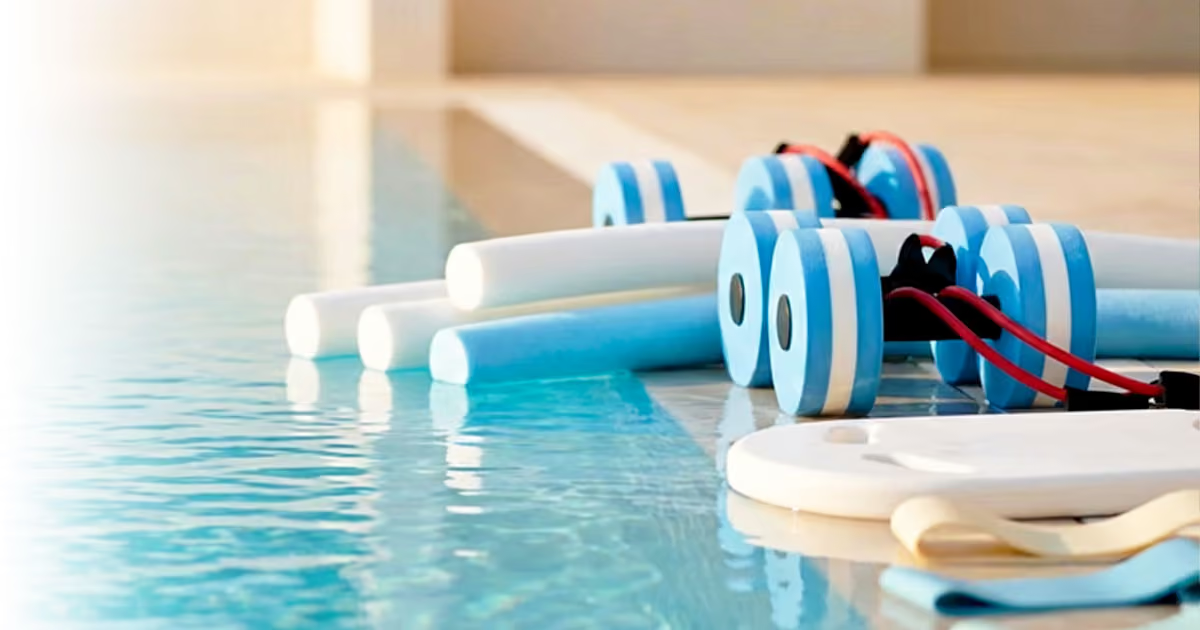
Pool exercise equipment can completely transform your water workouts - adding resistance, support, and endless variety.
Whether you're training in shallow or deep water, the right equipment helps you move with more control, challenge your muscles, and get better results from every session.
From buoyant props to resistance tools, understanding how different types of pool exercise equipment work will help you choose what you actually need - and use it effectively.
Types of Pool Exercise Equipment (And How to Use Them)
Most pool exercise equipment falls into five main categories: buoyant, drag, weighted, rubberized, and flotation. Each one interacts with the water differently - and creates a unique training effect.
1. Buoyant Equipment (Floating Resistance)
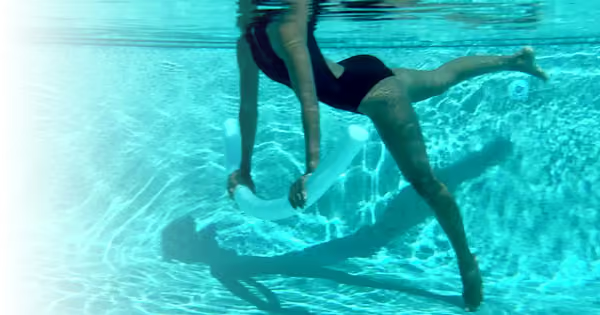
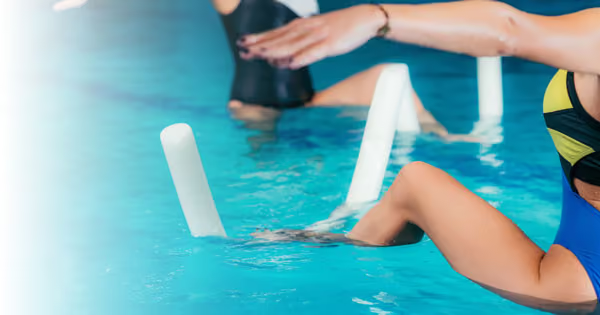
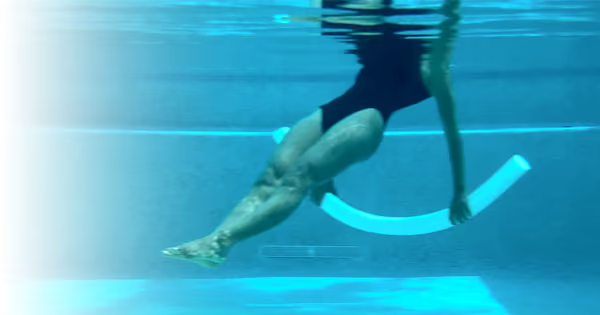
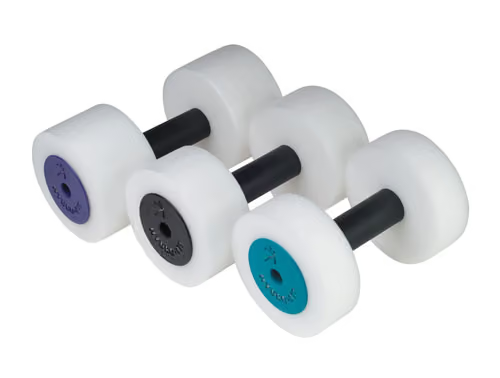
Buoyant pool exercise equipment - like hand buoys, pool noodles, ankle cuffs, and foam logs - floats on the water and creates resistance through buoyancy.
Although lightweight on land, it becomes surprisingly challenging in the water.
- You press the equipment down → working against buoyancy
- You control it back up → continuing the effort
Example: Triceps-focused movement
- Pressing down → triceps shorten
- Controlling the lift → triceps lengthen
If you do the same movement without buoyant equipment, pressing down still works the triceps - but as you bring the arms back up, the effort shifts to the opposite muscles (the biceps).
With buoyant equipment, the same muscle group stays active in both directions of the movement. This creates a more land-like muscle pattern, where the muscles work through both concentric and eccentric contractions (shortening and lengthening).
Buoyant equipment can also support your body and help you explore different positions in the water, making your workout more versatile and accessible.
👉 The larger or denser the equipment, the greater the resistance - making it easy to adjust the intensity based on your level.
2. Drag Equipment (Surface Resistance)
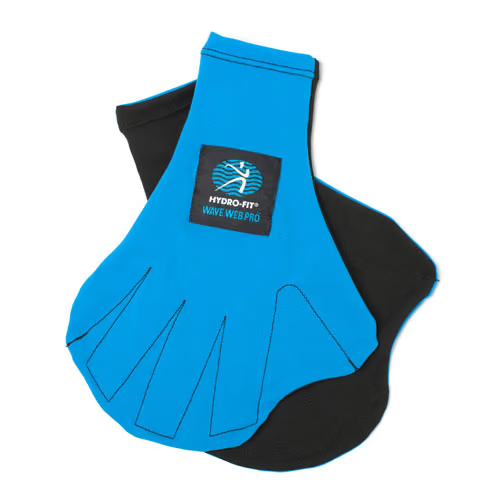
Drag-based pool exercise equipment works by increasing the drag force - the natural resistance you feel as you move through the water.
Examples include webbed gloves, paddles, and fins.
The more surface area you move through the water, the more drag you create and the harder your muscles have to work.
That resistance depends on:
- The size and shape of the equipment
- The speed of your movement
- The water conditions (still water vs. waves)
You can use drag equipment for both:
- Cardio training
- Strength work
In water, there is always resistance in every direction of movement. With drag equipment, that resistance increases - and just like moving without equipment, the effort shifts between opposing muscle groups as you move back and forth.
This makes drag equipment a great way to increase intensity, build strength, and challenge your endurance, especially through continuous movement.
It’s simple and easy to adjust - just move faster or use larger equipment.
👉 Keep in mind that the added resistance may slow you down and slightly limit your range of motion, so focus on smooth, controlled movement rather than speed.
3. Weighted Equipment (Gravity-Based Resistance)
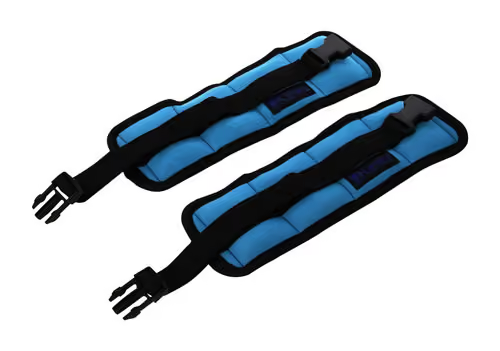
Weighted pool exercise equipment, like water dumbbells or ankle weights, sinks and adds resistance through gravity.
Even in water, you still benefit from:
- Gravity (downward force)
- Plus water properties like drag and buoyancy
This combination allows you to:
- Build strength
- Improve endurance
- Increase lean muscle safely
Important: Weighted equipment is best used in shallow water only.
4. Rubberized Equipment (Elastic Resistance)
Rubberized pool exercise equipment includes resistance bands and tubes.
Just like on land, resistance depends on:
- How you anchor the band
- How far you stretch it
- The direction of movement
But in the water, you’re also working against drag force, which adds an extra layer of challenge.
This combination makes rubberized equipment especially effective for strength and control. The support of the water allows you to move more freely and explore positions that would be harder - or not possible - on land, while still keeping the movement low-impact on your joints.
Rubberized equipment is a great option when you’re looking for a more targeted and controlled strength workout in the water.
There aren’t many resistance bands designed specifically for water use, but regular bands can still work well in the pool.
Just be aware that pool chemicals may cause them to wear out faster over time.
5. Flotation Equipment (Support & Alignment)
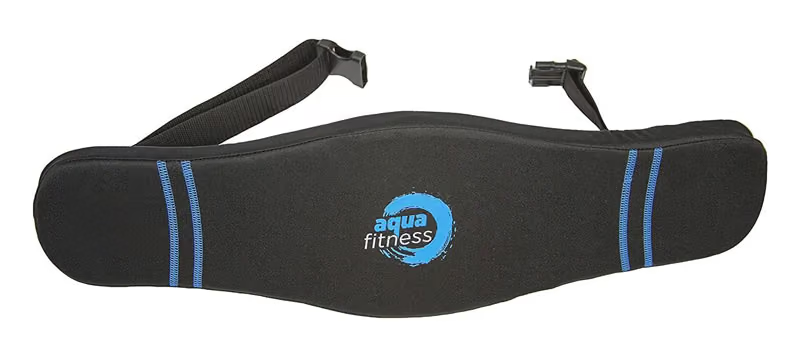
Flotation-based pool exercise equipment - like float belts or vests - doesn’t increase resistance. Instead, it helps you achieve neutral buoyancy.
This allows you to:
- Stay suspended in different positions or upright in deep water
- Move freely with a full range of motion
- Train with zero joint compression
Because your body is supported, you can focus more on control and technique, without worrying about balance or impact.
You can also combine flotation equipment with drag-based tools to increase intensity in deep water workouts.
How to Choose the Right Pool Exercise Equipment
Before buying pool exercise equipment, take a moment to think about what you actually need.
Ask yourself:
- What is my main goal? (strength, cardio, mobility, support)
- Will I train in shallow or deep water?
- Do I want something versatile or more specific?
- Will this equipment truly improve my workouts?
The right equipment should support your movement - not complicate it.
If you’re just getting started, keep it simple. Begin with a few essentials, like webbed gloves and a pool noodle or hand buoys, and build from there as your strength and confidence grow.
Pool Bottom & Water Shoes
The pool floor plays a bigger role than you might think, especially in shallow water workouts.
- Rough surfaces → can irritate your feet
- Slippery surfaces → reduce stability and safety
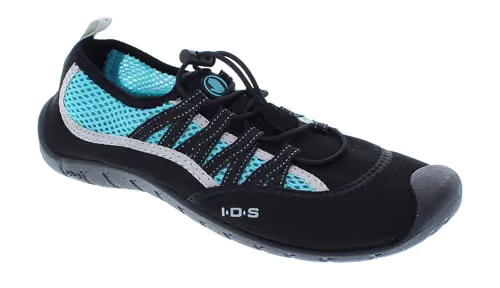
Water fitness shoes can help by:
- Preventing slips
- Protecting your feet
- Adding light resistance
- Improving control and alignment
Look for shoes that are:
- Lightweight
- Breathable
- Quick-draining
- Supportive
You can train barefoot, but it’s important to stay aware of the pool surface and move with extra control, especially in unfamiliar environments.
The Aqua Collection
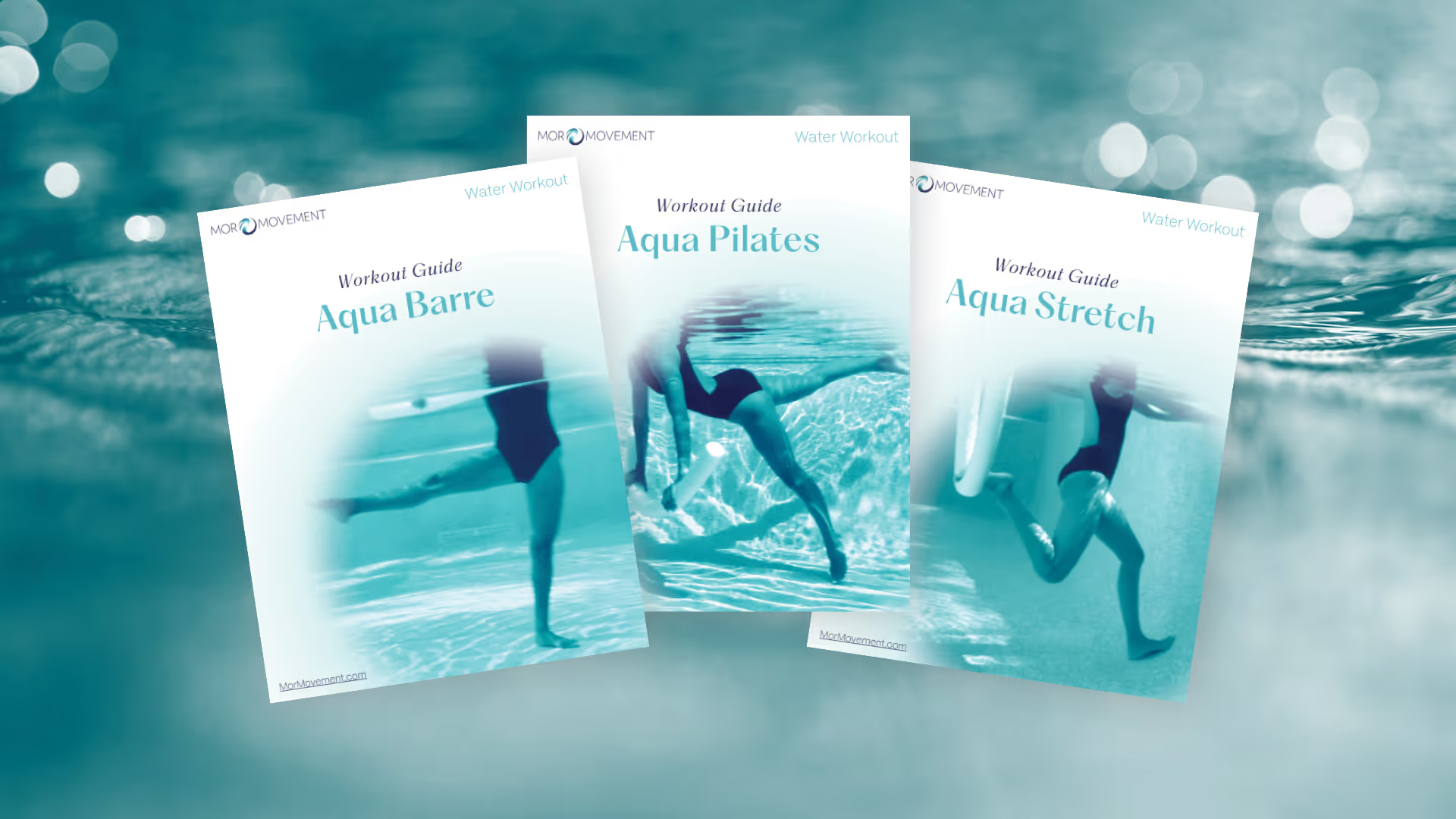
A beautifully designed 3-part printable collection featuring Aqua Pilates, Aqua Barre, and Aqua Stretch - thoughtfully structured for strength, mobility, and graceful movement in the water.
Final Thoughts: Keep It Simple and Effective
You don’t need a lot of pool exercise equipment to get a great workout.
Start with a few essentials, learn how they work, and build from there. Focus on moving with control and intention, rather than adding more.
That’s where real results begin.
Frequently Asked Questions About Pool Exercise Equipment
What pool exercise equipment should I start with?
If you’re just starting, keep it simple. Begin with webbed gloves and a pool noodle or hand buoys. These give you both resistance and support, and can be used in a wide variety of exercises.
Do I really need pool exercise equipment?
No - you can get a great workout using just the water. But adding pool exercise equipment can increase resistance, improve control, and give you more variety in your workouts.
What is the best pool exercise equipment for beginners?
The best options for beginners are buoyant equipment like hand buoys or noodles, and drag equipment like webbed gloves. They’re easy to use, versatile, and help you feel the resistance of the water more clearly.
Can I use regular resistance bands in the pool?
Yes, you can use regular resistance bands in the pool. Just keep in mind that pool chemicals may cause them to wear out faster, so they might not last as long with regular use in the water.
Should I wear shoes for pool workouts?
Wearing water shoes is generally recommended for pool workouts - especially in shallow water.
They help protect your feet, improve grip on the pool floor, and make your movement safer and more stable. In many exercises, they can also make your workout more effective by allowing you to push off the floor with better control and momentum.
In deep water workouts, shoes are less essential - but in shallow water, they can make a noticeable difference in both safety and performance.
Still have questions?
If you have any questions about the workouts, guides, or anything on the site, feel free to get in touch.