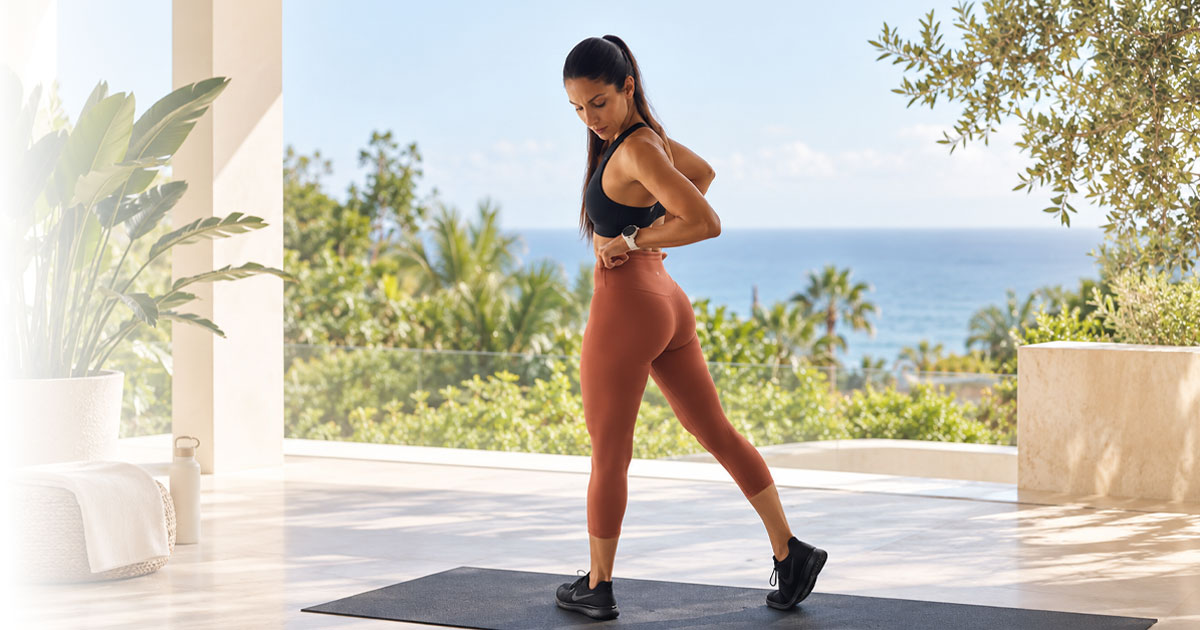
Let’s be honest... who wouldn’t like a nice, strong, toned butt?
And while I’m definitely not against the aesthetic benefits of working your backside, there’s a lot more to your glute muscles than how they look in a pair of leggings.
Your glutes are some of the most powerful muscles in your body. They help you walk, climb stairs, get up from a chair, stabilize your pelvis and power many of the movements you do every day.
And as we get older, keeping them strong becomes even more important. We naturally tend to lose muscle mass and strength with age, which means giving our muscles a reason to stay strong matters - especially after 40.
So whether you’re here for a perkier butt, stronger hips, better movement - or all of the above - here are 5 things every woman should know about her glorious glutes.
1. It’s a Threesome!
Yes, your butt is actually a team effort.
Your butt muscles - or gluteal muscles - are made up of three main muscles: the gluteus maximus, gluteus medius and gluteus minimus.
And they each have a slightly different job.
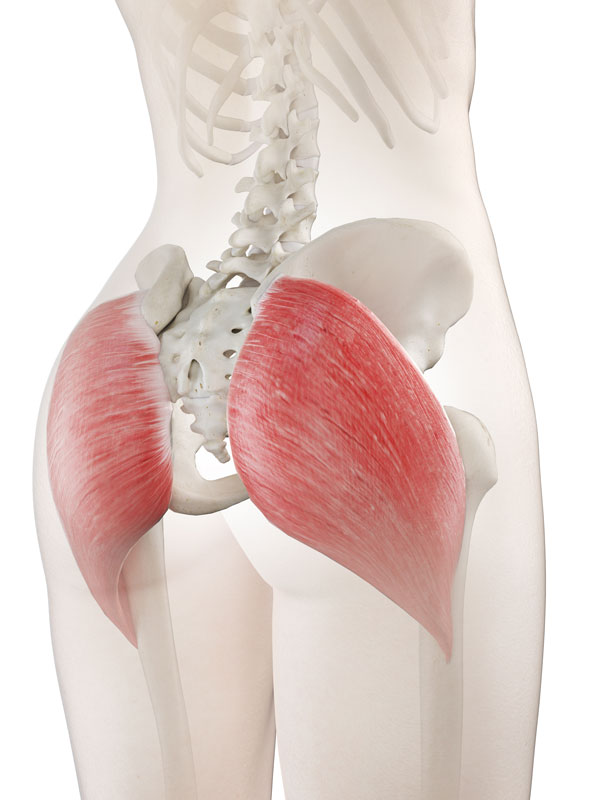
Gluteus Maximus
This is the big one.
The gluteus maximus is the largest and most superficial of the three glute muscles and gives your backside much of its shape.
It’s also a powerful mover of the hip. One of its main jobs is hip extension — moving your thigh backward, like in a leg kickback. It also powers everyday movements like standing up, climbing stairs and rising from a squat.
The gluteus maximus also helps with external rotation of the hip, meaning rotating your thigh outward.
So whether you're climbing a flight of stairs, getting up from a chair or kicking your leg back... your gluteus maximus is doing some serious work back there.
Gluteus Medius
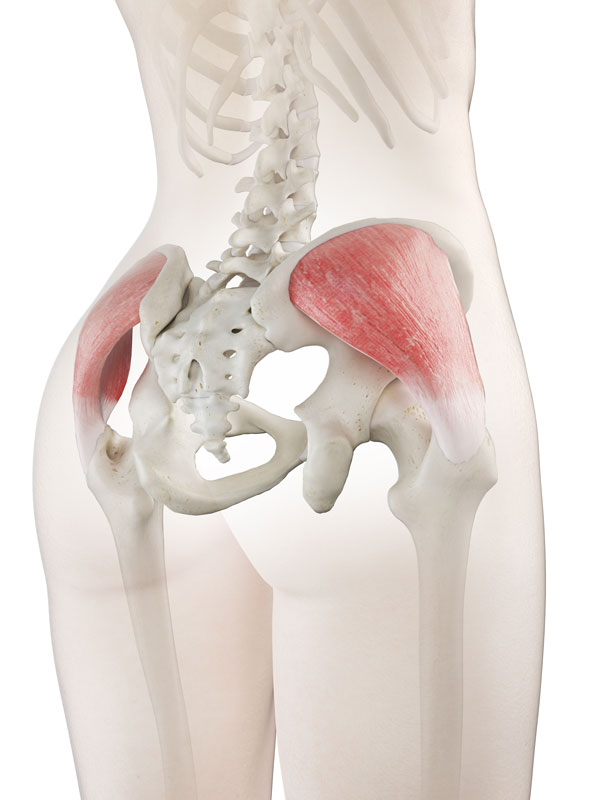
The gluteus medius sits more toward the outer side of your hip and helps move your leg away from your body.
But it has another VERY important job: helping stabilize your pelvis when you're standing on one leg.
And before you say, “But I don't stand around on one leg...”
Actually, you do.
Every time you walk, run or climb stairs, there's a moment when your body weight is supported primarily by one leg.
Hello, gluteus medius!
Gluteus Minimus
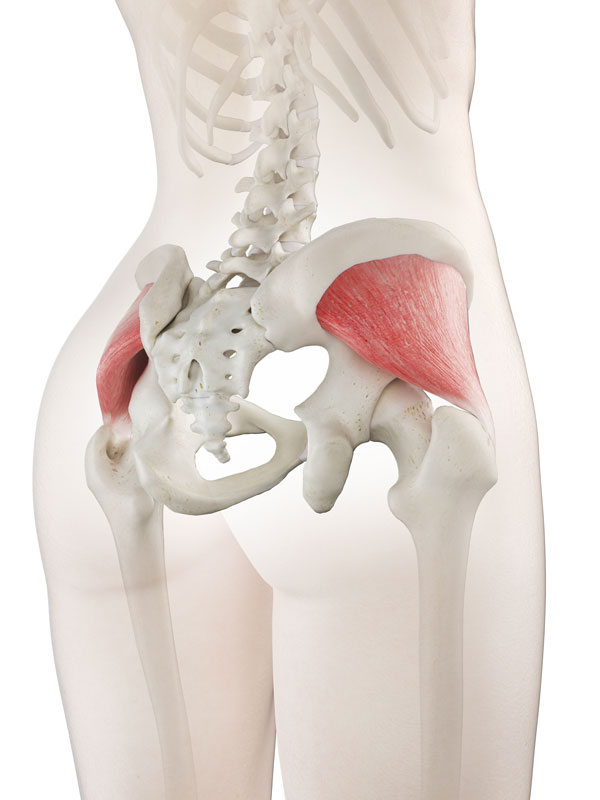
Last but not least is the gluteus minimus, the smallest and deepest of the three.
It works together with the gluteus medius to help move and stabilize your hip.
So when you're training your butt, you're not really training a muscle. You're training an entire little team back there.
2. Your Glutes and Abs Are BFFs
Your butt and your abs may live on opposite sides of your body, but they actually work very well together. A strong core helps keep your pelvis stable and allows your glutes to do their job!
When the lower abs aren’t engaged, the pelvis can sometimes tilt forward, with the butt sticking out and the lower back overly arched — what I like to call the “Donald Duck” position. In this position, it’s easy for the lower back to start doing more of the work instead of the glutes.
And this is where your lower abs come in.
When you’re trying to target your glutes, gently engaging the lower abs and slightly tucking the pelvis can help you maintain a better position and get those butt muscles working.
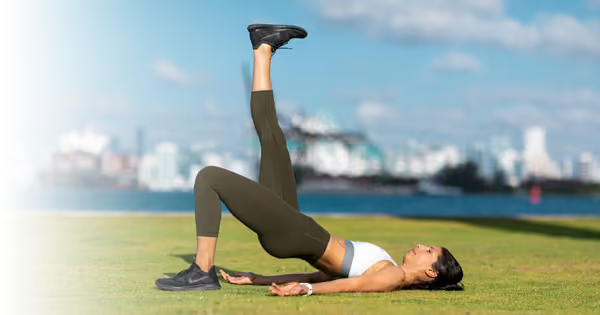
Think about a glute bridge. As you lift your hips, you don’t want to simply arch your lower back to get higher. Instead, gently engage your lower abs, slightly tuck your pelvis and squeeze your glutes as you lift.
The goal isn’t to see how high you can go — it’s to make your glutes do the work!
So yes... your butt and your lower abs really are good friends. You want them working together!
3. Motion Is Lotion!
Strong glutes are great — but strength and mobility go hand in hand.
Think about a squat. To perform it with good form, you need enough mobility in your hips, knees and ankles. If one of those areas is limited, your body will usually find another way to get you there — and that’s when compensations can sneak in.
That’s why I always like to add some mobility work before jumping into strength exercises, especially as we get older.
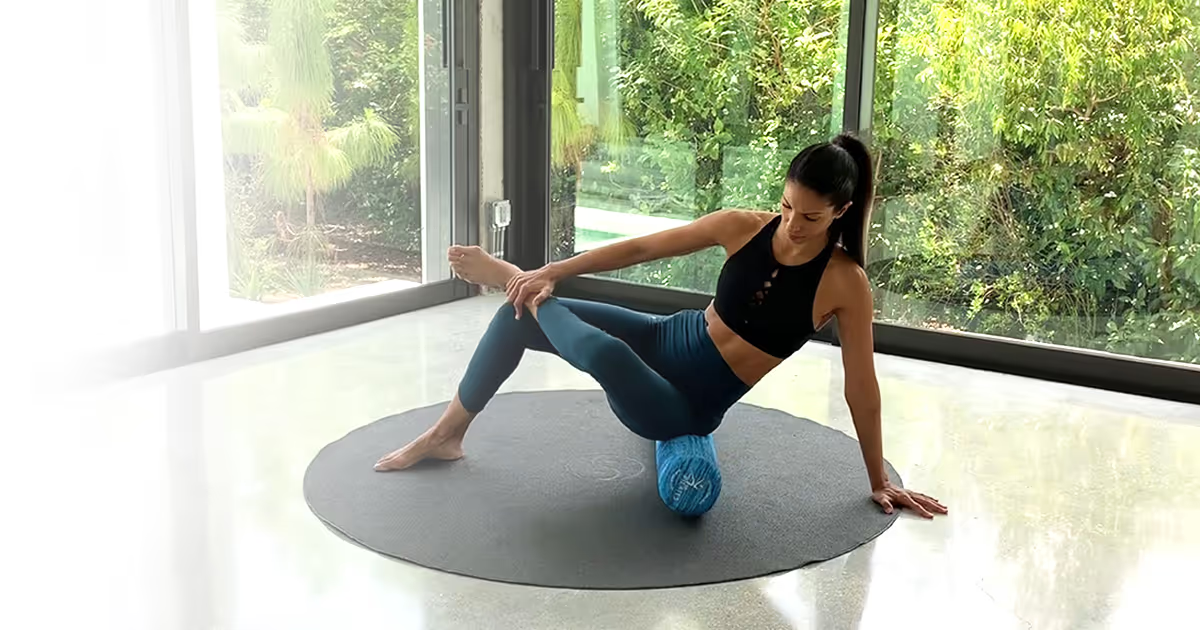
Warm up those hips with a few dynamic movements like hip circles, leg swings or bodyweight squats. And if you know certain muscles tend to feel tight, some stretching or myofascial release with a foam roller can be a great addition too.
You don’t need to be super flexible. You simply want enough mobility to move well, maintain good form and let the right muscles do their job.
Motion is lotion, ladies!
Keep those hips moving.
4. Let’s Talk About Cellulite...
Ahhh... cellulite. Most of us have it, and many of us would happily have a little less of it!
The truth is, cellulite is completely normal, and genetics, hormones, skin structure and other factors can all affect how visible it is. Unfortunately, there’s no magical exercise that can simply make it disappear.
But here’s the good news...
Building stronger, more toned muscles in your glutes and thighs can create a firmer appearance and may make cellulite less noticeable.
So while those squats and glute bridges may not magically erase every dimple, they can help you build stronger, more defined muscles underneath.
My advice? Focus on building strong glutes first.
And if your butt happens to look a little firmer in the process... well, we’re definitely not complaining!
5. Do You Have a “Lazy Butt”?
Ever finish a set of squats or lunges and think...
“Why do I feel this everywhere BUT my butt?”
You’re definitely not alone.
You may have heard the terms “lazy butt syndrome” or “gluteal amnesia.” Your glutes haven’t actually forgotten how to work, but sometimes other muscles - like your quads, hamstrings or even your lower back - can start doing more of the work.
Why does this happen?
It can come down to technique, body positioning, limited mobility, muscle weakness or simply the movement patterns your body has gotten used to over time.
This is where glute isolation and activation exercises can be really helpful.
First, isolate the glutes. Then, integrate them.
Start with simple exercises like glute bridges, clamshells, side-lying leg lifts or quadruped hip extensions. These movements make it easier to focus on your glutes without too many other muscles competing for the job.
Slow down and pay attention to what the contraction actually feels like. That awareness can help you recognize and recruit your glutes when you move on to more complex exercises like squats, lunges, step-ups or deadlifts.
Think of it as teaching your body the movement in a simpler setting first - and then bringing it into the bigger picture.
That mind-muscle connection matters!
And remember - you don’t need to feel a crazy burn for your glutes to be working. Good technique, control and gradually increasing the challenge are what will ultimately make them stronger.
Sometimes, your butt just needs a little reminder that it has a job to do!
Why Strong Glute Muscles Matter Even More After 40
Here's the part I really want you to remember.
We often talk about exercise after 40 in terms of burning calories, keeping the weight off or trying to look younger.
I'd rather shift the conversation.
We should be building muscle.
Muscle is something we want to protect as we age.
Strong glute muscles help us produce force through the hips, stabilize the pelvis and perform everyday movements - from walking and climbing stairs to getting up from the floor.
And you don't need to spend hours in the gym to train them.
Pilates, resistance training, bodyweight exercises, Barre and even some of the movements you're already doing at home can all challenge your glutes when they're programmed appropriately.
The important thing is to keep giving your muscles a reason to stay strong.
Your Butt Is About More Than Looks
So yes... there’s absolutely nothing wrong with wanting a strong, toned and fabulous-looking butt!
But your glute muscles deserve a little more credit than that.
They’re some of the most powerful muscles in your body, helping you walk, climb stairs, get up from a chair, stabilize your hips and move with strength and confidence.
And especially as we get older, keeping these muscles strong is about much more than appearance. It’s about maintaining the strength and mobility that allow us to keep doing the things we love.
So keep moving those hips, challenge your muscles and build those glutes.
And if your butt happens to look fabulous along the way... consider that a very nice bonus!
Keep moving!
Glute Muscles: Your Questions Answered
What are the three glute muscles?
Your glutes are actually made up of three muscles: the gluteus maximus, gluteus medius and gluteus minimus. Together, they help move and stabilize your hips and pelvis. The gluteus maximus is the largest of the three - and the one responsible for most of that fabulous butt shape!
How do I know if my glutes are weak?
There isn’t one simple test for “weak glutes.” But difficulty with movements that rely heavily on hip strength and stability - such as squats, step-ups or balancing on one leg — may be a reason to work on your glute strength. If you have pain or a noticeable movement problem, it’s better to have it assessed by a qualified professional rather than trying to diagnose it yourself.
Why don’t I feel my glutes when I exercise?
Sometimes your quads, hamstrings or lower back may contribute more during an exercise, especially when technique or positioning isn’t quite right. Try isolating your glutes first with exercises like bridges, clamshells or side-lying leg lifts. Once you recognize what that glute contraction feels like, integrate it into bigger movements like squats, lunges and step-ups.
What are the best exercises for glute activation?
Simple exercises are often the best place to start. Glute bridges, clamshells, side-lying leg lifts and quadruped hip extensions allow you to slow things down and focus on the glutes before moving into more complex exercises.
How often should women over 40 train their glutes?
You don’t necessarily need a separate “glute day.” Your glutes can be trained as part of a well-rounded strength routine using squats, bridges, lunges, step-ups and other lower-body exercises. What matters most is training consistently and gradually challenging your muscles over time.
Can strengthening your glutes help with back pain?
Strong glutes contribute to hip and pelvic control, but back pain is complex and can have many causes. Strengthening your glutes may be one useful part of a broader exercise program, but it shouldn’t be presented as a cure for back pain. Persistent or significant pain should be evaluated by a healthcare professional.
Can you build stronger glutes after 40?
Absolutely! Your muscles can still respond to resistance training after 40 and well beyond. The key is to use them, challenge them and keep progressing. You may not train exactly the way you did at 25 — and you don’t need to. Consistency, good technique and progressive resistance go a long way.
Still have questions?
If you have any questions about the workouts, guides, or anything on the site, feel free to get in touch.