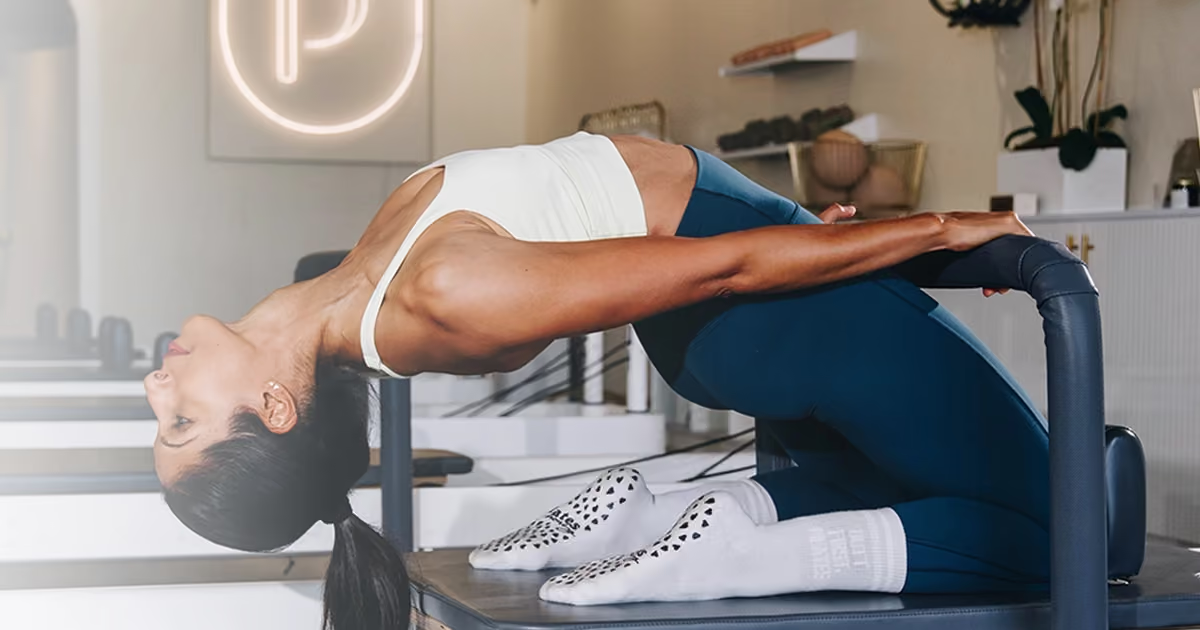
If you’re trying to decide between Mat Pilates and Reformer Pilates, you’re not alone. With reformer studios booming and online mat classes everywhere, it’s natural to wonder which style delivers better results. The truth? Both methods follow the same Pilates principles - but they challenge your body in different ways. Understanding the differences in equipment, resistance, accessibility, and cost will help you choose what fits your goals best.
Pilates Reformer vs Mat: What’s the Difference?
Both Mat and Reformer Pilates were developed by Joseph Pilates in the early 20th century. They share the same foundational principles:
- Breathing
- Centering
- Control
- Precision
- Concentration
- Flow
The key difference lies in how resistance is created and how the body is supported during movement.
Mat Pilates uses body weight and gravity.
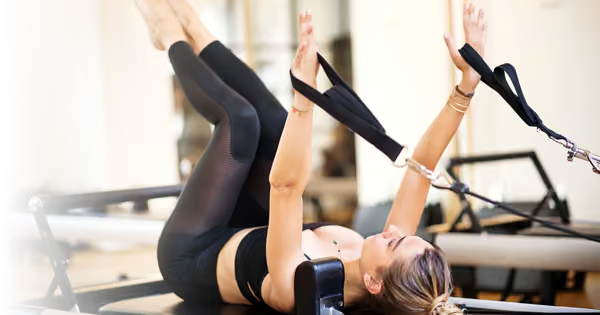
Reformer Pilates uses spring-loaded resistance and a sliding carriage machine.
Let’s break them down individually.
What is Mat Pilates?
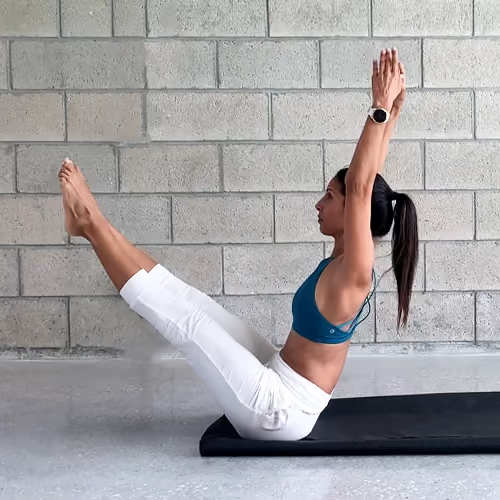
Mat Pilates is performed on a simple exercise mat using your body weight for resistance. It focuses heavily on core strength, stability, flexibility, and controlled movement.
Classic exercises include:
- The Hundred
- Roll-Up
- Teaser
- Single Leg Stretch
It may look simple — but it can be incredibly challenging.
1. Mat Pilates Equipment
Mat Pilates requires minimal equipment — typically just a mat.
Instructors may add:
- Pilates ring
- Resistance bands
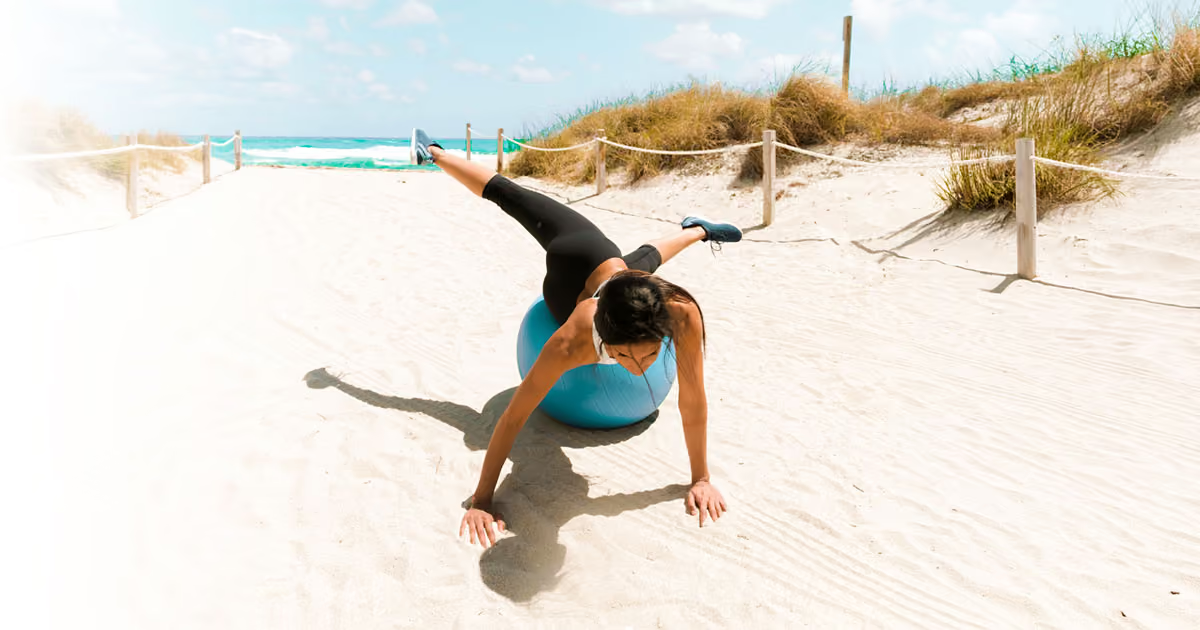
- Small stability ball
- Light weights
These props enhance variety while maintaining the essence of bodyweight training.
2. Mat Pilates Resistance
Resistance in mat Pilates comes from:
- Body weight
- Gravity
- Leverage
- Stability demands
Because there’s no machine guiding you, your core muscles must work continuously to stabilize the body. For many people, this makes mat Pilates feel more demanding in terms of control and balance.
3. Mat Pilates Accessibility and Cost
One of the biggest benefits of Mat Pilates is accessibility.
You only need:
- A mat
- A small space
You can practice at home, in fitness clubs, community centers, or online.
It is typically more affordable than reformer classes and even free on platforms like YouTube.
4. Benefits of Mat Pilates
Mat Pilates helps improve:
- Core strength
- Posture
- Alignment
- Balance
- Functional strength
- Injury prevention
Without machine assistance, your stabilizing muscles are constantly engaged, helping build deep core control and body awareness.
What Is Reformer Pilates?
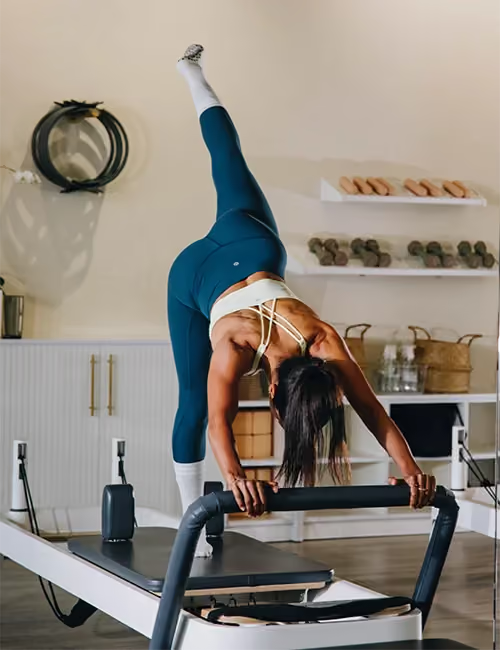
Reformer Pilates is performed on a specialized machine featuring:
- A sliding carriage
- Adjustable springs
- Straps and pulleys
The springs provide variable resistance, allowing exercises to be modified for different fitness levels.
1. Reformer Pilates Equipment
The Pilates reformer uses spring tension to create resistance.
Interestingly:
- Heavier springs increase muscle load.
- Lighter springs can increase core challenge due to instability.
The carriage guides movement while still requiring precision and control.
2. Reformer Pilates Resistance
Unlike mat Pilates, the reformer provides adjustable resistance. This allows:
- Progressive overload
- Increased muscle endurance
- Assisted movements for beginners
- Higher intensity options
The machine can support the body in certain exercises, making it especially beneficial for injury recovery or rehabilitation.
3. Reformer Pilates Accessibility and Cost
Reformer Pilates typically requires access to a studio or home equipment.
Costs may include:
- $20–$50 per group class
- Higher fees for private sessions
- Significant investment for home reformers
It also requires more space and professional guidance.
4. Benefits of Reformer Pilates
Reformer Pilates improves:
- Strength
- Muscle tone
- Flexibility
- Coordination
- Endurance
The adjustable resistance makes it suitable for beginners, advanced practitioners, and those in rehabilitation.
Is Mat Pilates Harder Than Reformer Pilates?
This depends entirely on:
- Your fitness level
- Your experience
- The exercises performed
Some find mat Pilates harder because there is no machine support and stability demands are high. Others find reformer Pilates more challenging due to spring resistance and dynamic movement patterns.
Both styles can be beginner-friendly or extremely advanced — it all depends on programming.
Pilates Reformer vs Mat: Which Should You Choose?
There is no one-size-fits-all answer.
Choose Mat Pilates if you want:
- Accessibility
- Simplicity
- Lower cost
- Strong core foundation
Choose Reformer Pilates if you want:
- Adjustable resistance
- More exercise variety
- Guided machine support
- Studio environment
Many Pilates professionals recommend starting with mat Pilates to develop foundational strength and core awareness before progressing to the reformer.
But ultimately — the best Pilates practice is the one you’ll stay consistent with.
Final Thoughts: Mat vs Reformer Pilates
At the end of the day, Mat Pilates and Reformer Pilates aren’t competing - they’re complementing each other.
The mat teaches you control. Awareness. True core connection.
The reformer adds resistance, flow, and a different kind of challenge.
If you’re new to Pilates, starting on the mat can build that strong foundation. If you love the dynamic feel of springs and glide, the reformer might be your thing. And honestly? The magic really happens when you mix both.
Whether you’re on the mat or moving on the reformer, what matters most isn’t the equipment - it’s how you move. With intention. With precision. With control.
That’s where real strength lives.
Your Questions About Mat vs Reformer Pilates
Can beginners start with Mat Pilates or should they choose Reformer first?
Beginners can start with either Mat or Reformer Pilates. Mat Pilates is a great way to build a strong foundation, develop body awareness, and learn proper technique using your own body weight. Reformer Pilates can feel more supportive at the beginning because the machine guides movement and offers adjustable resistance. The best choice is the one that feels accessible and helps you stay consistent.
Do I need a reformer machine to see real Pilates results?
No — you can see incredible results with Mat Pilates alone. Many of the original Pilates exercises were designed for the mat and are powerful for building strength, control, and stability. A reformer can add variety and resistance, but it’s not essential to develop a strong, balanced body.
How often should I do Mat or Reformer Pilates to see results?
For best results, aim to practice Pilates 3–4 times per week. Consistency is more important than the method you choose. Whether you practice on the mat at home or attend reformer classes, regular movement will help improve strength, posture, flexibility, and overall body awareness.
Is Reformer Pilates more effective than regular Pilates?
Reformer Pilates is not necessarily more effective than Mat Pilates — it’s simply different. The reformer adds adjustable resistance, which can help build strength and add variety to your workouts. However, Mat Pilates is extremely effective for developing core strength, stability, and control using just your body weight. Both methods deliver great results when practiced consistently.
Still have questions?
If you have any questions about the workouts, guides, or anything on the site, feel free to get in touch.