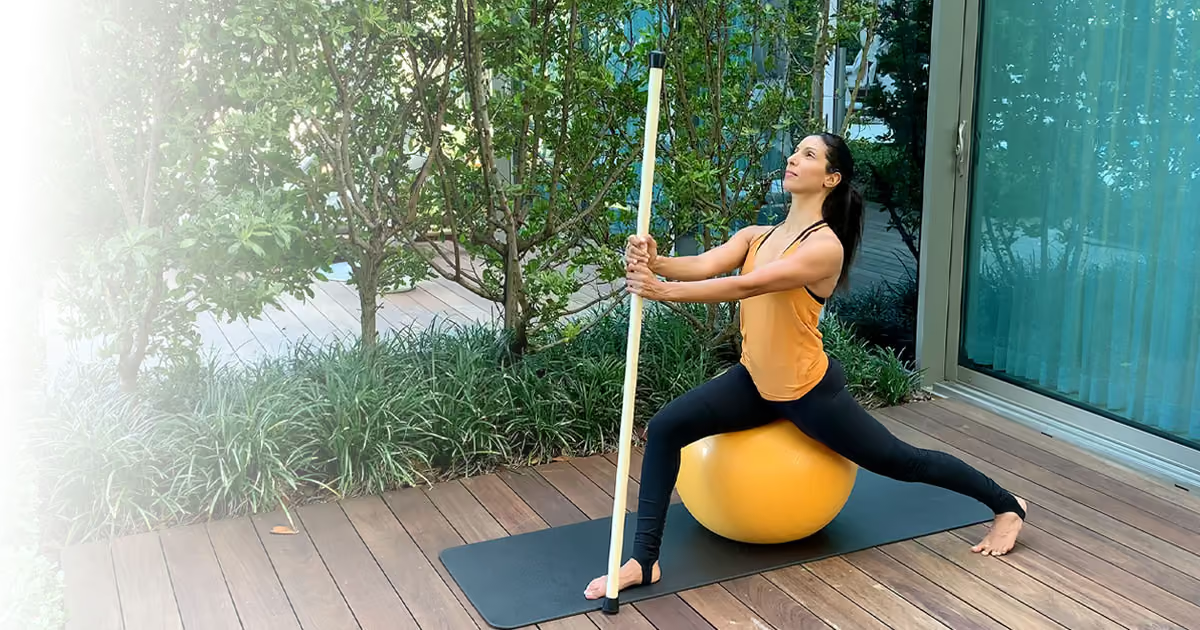
Posture isn’t something you “fix” once — it’s something you practice through movement.
When we talk about posture correction exercises, the goal isn’t to force your body into a rigid position. It’s about creating balance - improving mobility where things feel tight, and building strength where your body needs support.
If you spend long hours sitting, notice your shoulders rounding forward, or feel tension in your neck and upper back - you’re not alone. These are some of the most common signs that your posture needs attention.
In this post, I’ll guide you through 7 effective posture correction exercises using a Swiss ball, along with a deeper understanding of what posture really means - and how to improve it in a way that actually lasts - with a full guided workout waiting for you at the end.
What Is Posture, Really?
Most people think of posture as something static - how you sit or stand. But posture isn’t still. It’s dynamic.
It’s the way your body organizes itself in preparation for movement.
Your muscles and skeleton are designed for motion - not for holding one fixed position. What we call “posture” is simply a moment within that continuous flow.
As neurophysiologist Charles Scott Sherrington once said: “Posture follows movement like a shadow.” In other words - how you move shapes your posture.
What Is Good Posture?
Good posture isn’t about standing perfectly straight or forcing your shoulders back.
It’s about alignment with ease.
When your body is well-aligned:
- Your muscles work more efficiently
- There’s less strain on joints and ligaments
- Breathing becomes easier
- Movement feels lighter and more natural
And most importantly - good posture adapts.
It supports you whether you’re sitting, walking, reaching, or exercising.
Why Posture Gets Out of Balance
Posture is influenced by more than just how you sit or stand - it reflects your daily habits, movement patterns, and even your emotional state.
Most people don’t notice their posture changing while it’s happening. It often only becomes clear when the body starts to speak - through tension, discomfort, or pain.
That stiffness in your neck, the tightness in your shoulders, or the lower back discomfort after a long day - these are often early signs that your body is out of balance.
These changes don’t happen randomly. They’re usually shaped by everyday patterns like:
- Long hours of sitting and screen time
- Stress and emotional tension
- Muscle imbalances in the body
- Low or repetitive activity levels
- Age and lifestyle patterns
Over time, these patterns can lead to common postural issues such as:
- Tight chest and hip flexors
- Weak upper back and glutes
- Forward head posture
- Rounded shoulders
This is why posture correction isn’t just about “standing up straight” - it’s about rebalancing the body through movement, strength, and awareness.
The good news is that posture is not fixed - it can change. And with the right posture correction exercises, your body can relearn how to support itself with more ease.
How to Improve Your Posture (That Actually Works)
Improving your posture isn’t about forcing your body into a position - it’s about teaching your body how to support itself more naturally.
Real posture improvement starts with two things:
Awareness + consistency.
On the physical level, you want to:
- Stretch what’s tight (chest, neck, hips)
- Strengthen what’s weak (upper back, core, glutes)
- Practice controlled, mindful movement
Over time, this combination helps your body find a more balanced and sustainable way to move and hold itself.
It’s also important to look at your daily environment.
Simple adjustments like your desk setup, screen height, or how long you stay in one position - can make a big difference in how your body feels throughout the day.
And just as important - your emotional state plays a role too.
Stress, fatigue, and even mood can affect how you carry your body, often without you realizing it.
If you’re dealing with persistent discomfort or pain, working with a physical therapist can help you better understand your specific imbalances and guide you more precisely.
7 Posture Correction Exercises
These posture correction exercises combine mobility, strength, and control - the key ingredients for long-term change.
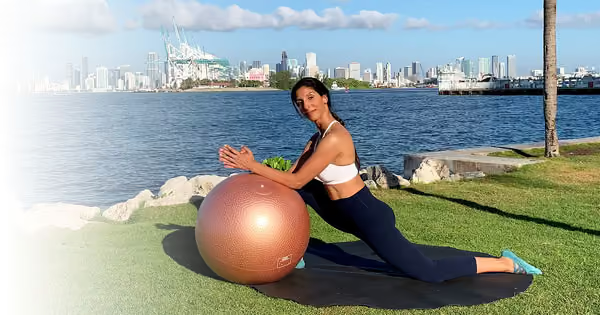
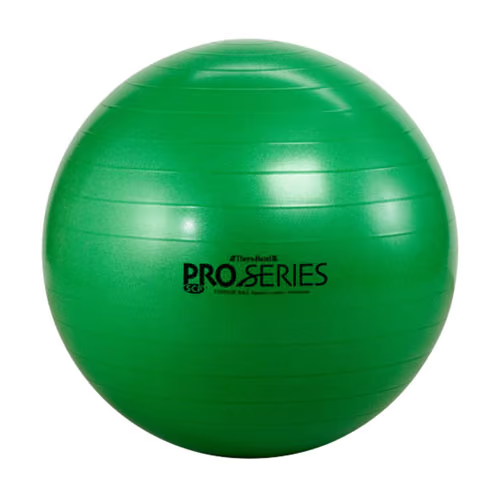
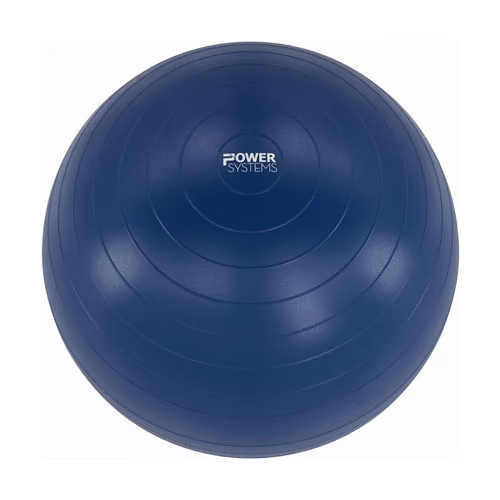
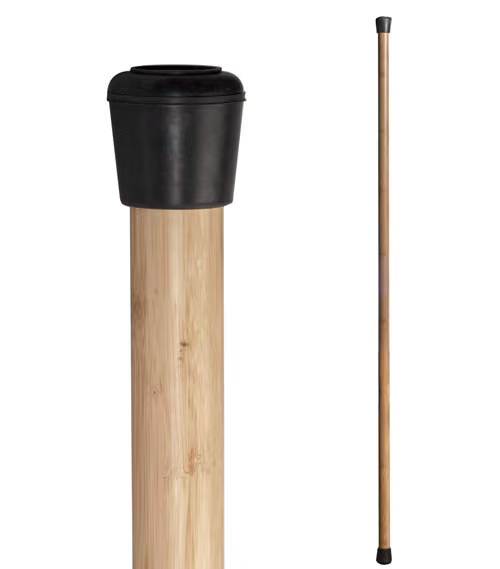
To follow along, you’ll need a Swiss ball and a simple stick. The stick can be anything you have at home - a broomstick, dowel, or mobility stick.
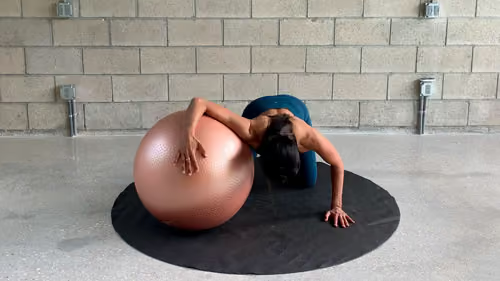
Exercise #1: Chest Stretch
Why: Opens the chest and counteracts rounded shoulders -a common pattern in poor posture.
Starting Position: Kneeling, one hand on the floor, the other arm and shoulder resting on the ball.
Movement:
Gently lower your body toward the floor, allowing the chest to open.
Hold for 10–30 seconds, then release. Repeat 2–3 times on each side.
How it should feel: a gentle stretch across the front of the chest and shoulder - no pain or pinching.
Key Points: Keep your torso parallel to the floor and avoid rotating through the spine.
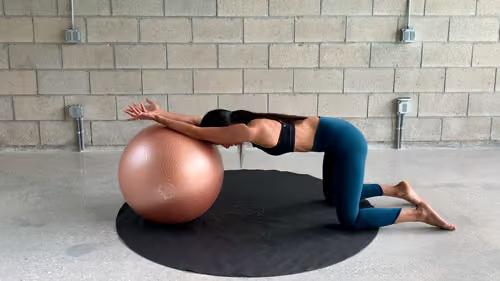
Exercise #2: Lat Stretch
Why: Releases tightness along the sides of the body and upper back.
Starting Position: Kneeling, back of the hand placed on the ball.
Movement:
Roll the ball forward, lengthening through the arms and spine.
Hold or gently move in and out of the stretch for 10–30 seconds. Repeat 2–3 times.
How it should feel: A lengthening sensation along the side of your torso and under the arm.
Key Point: Keep the palms facing upward and slightly tuck the pelvis (posterior tilt) to avoid arching the lower back.
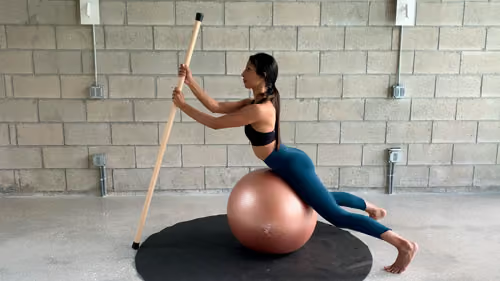
Exercise #3: “Climbing” Back Extension
Why: Opens the front of the body and mobilizes the spine - a great preparation for strengthening work.
Starting Position: Lying prone over the ball, holding the stick vertically.
Movement:
Walk your hands up the stick as you lift your chest into extension.
Then slowly walk your hands back down, lowering your body over the ball.
Repeat 8–10 times.
How it should feel: A gentle opening through the chest and front body, with activation in the back.
Key Points: Use the stick for support - move within a comfortable range.
Exercise #4: Prone Shoulder Extension
Why: Strengthens the upper back - essential for posture correction.
Starting Position: Lying prone over the ball, knees on the floor, holding the stick horizontally with wide arms.
Movement 1: Bend and straighten the arms; bring the stick toward the chest, then extend the arms forward overhead.
Movement 2: Lift and lower straight arms; lower and lift the stick toward the floor and back up.
Perform 8–12 repetitions each variation.
How it should feel: Activation through the upper back and shoulders, without tension in the neck.
Key Points: Keep shoulders away from the ears. Engage your glutes and gently press the pubic bone into the ball to support the lower back.
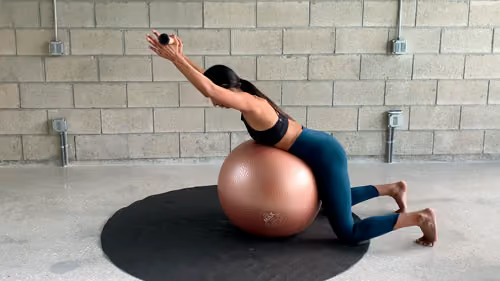
Exercise #5: Prone Hip Extension
Why: Strengthens the glutes - a key muscle group for pelvic alignment and posture.
Starting Position: Lying prone over the ball, hands on the floor, legs in a diamond shape with feet lifted.
Movement:
Lift and lower the legs from the hip joints.
Perform 10–15 repetitions.
How it should feel: A strong but controlled activation in the glutes.
Key Points: Avoid arching the lower back - move with control.
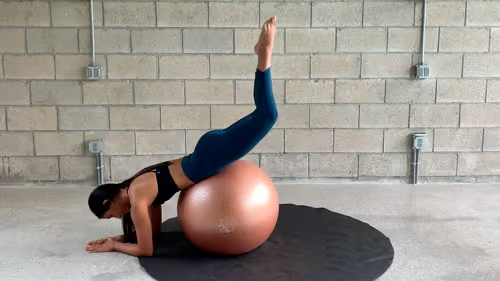
Exercise #6: Horseback Riding
Why: Activates inner thighs and deep core muscles, helping support a more stable posture.
Starting Position: Sitting on the ball in a straddle (“riding”) position, ball between your thighs.
Movement:
Press the ball gently between your thighs, then release.
Perform 15–20 repetitions, for 2–3 sets.
Progression: Add arm movement with the stick overhead for more challenge.
How it should feel: Engagement through the inner thighs and a subtle activation of the core.
Key Points: Maintain a long, neutral spine with a slight pelvic tuck — avoid collapsing or arching.
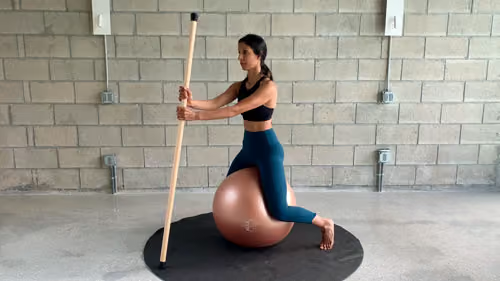
Exercise #7: Swimming
Why: Integrates full-body strength, coordination, and stability — essential for functional posture.
Starting Position: Lying prone over the ball, hands and feet on the floor.
Movement:
Lift opposite arm and leg, alternating slowly side to side.
Perform 8–12 repetitions per side.
How it should feel: A coordinated effort through the back, glutes, and core.
Key Points: Move slowly and with control. Focus on length rather than height
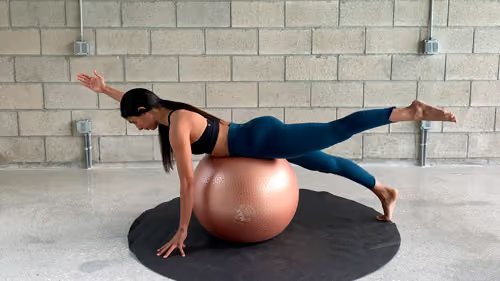
Final Thoughts: Posture Is a Practice
Posture isn’t about perfection - it’s about awareness, movement, and how your body supports you throughout the day.
When you consistently practice posture correction exercises, your body begins to:
- Feel more balanced
- Move with greater ease
- Hold itself with less effort
Over time, this creates a shift - not just in how you stand or sit, but in how you move and carry yourself in everyday life.
And gradually, good posture stops being something you have to think about…
and becomes something your body naturally returns to.
Watch the Full Posture Correction Workout
Now that you understand how each movement works, let’s bring everything together.
This guided 20-minute workout will help you practice these posture correction exercises in a smooth, continuous flow - so your body can truly integrate the work.
Frequently Asked Questions
How often should I do posture correction exercises?
You can practice posture correction exercises 3–4 times per week, or even daily if the intensity is moderate. Consistency matters more than duration - even short, focused sessions can make a noticeable difference over time.
How long does it take to improve posture?
It depends on your starting point and daily habits, but many people begin to feel changes within a few weeks. Visible improvements in posture typically take 4–8 weeks of consistent practice and awareness throughout the day.
Can posture correction exercises help reduce pain?
Yes, posture correction exercises can help reduce tension and discomfort, especially in the neck, shoulders, and lower back. By improving muscle balance and alignment, they support your body in moving more efficiently and with less strain.
Do I need equipment for posture correction exercises?
Not always - many exercises can be done with just your body weight. However, tools like a Swiss ball or a simple stick can add support, improve alignment, and make certain movements more effective.
Can I fix my posture if I sit all day?
Yes - but it requires a combination of movement and awareness. Regular posture correction exercises, along with small changes to your sitting habits and workspace setup, can significantly improve how your body feels and functions.
Still have questions?
If you have any questions about the workouts, guides, or anything on the site, feel free to get in touch.