If your body feels stiff, tight, or “stuck” - especially after workouts or long days sitting - you’re not alone.
That heavy, restricted feeling isn’t just about muscles.
A big part of it comes from something most people don’t think about: your fascia.
In this guide, we’ll break down what is myofascial release, why it matters for your daily movement, and how you can start using it right away - even at home.
What Is Fascia? (And Why It Matters More Than You Think)
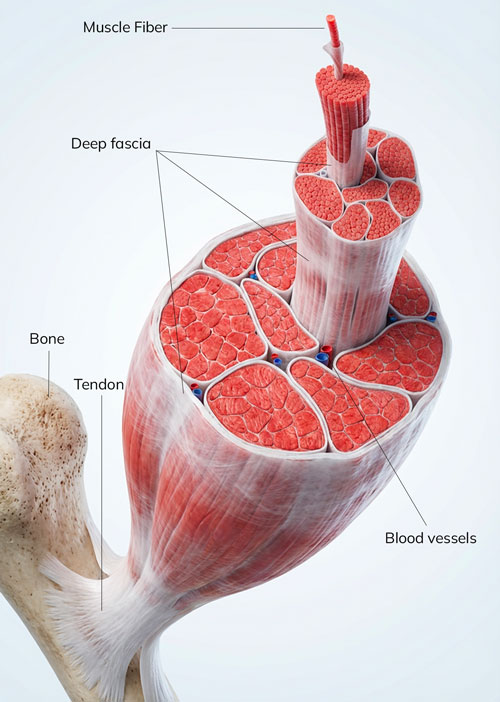
Fascia is a thin but strong layer of connective tissue that wraps around everything in your body - muscles, bones, nerves, and organs.
Think of it like a web or a second skin under your skin that holds everything together.
When fascia is healthy, it’s soft, elastic, and responsive.
It allows your body to move with ease, to stretch, to flow from one movement to another without resistance.
But daily life doesn’t always support that.
Long hours sitting, repetitive workouts, stress, or even dehydration can cause this tissue to become tight and restricted. And when that happens, your whole body feels it.
You might notice:
- stiffness when you get up in the morning
- limited range of motion in your workouts
- tension that stretching alone doesn’t seem to fix
- that “stuck” feeling in certain areas
It’s not just muscles working harder - it’s your body losing its natural glide.
So… What Is Myofascial Release?
Myofascial release is a technique that helps release tension in the fascia and surrounding muscles.
It works by applying gentle, sustained pressure to tight areas — helping your body:
- Let go of built-up tension
- Improve circulation
- Restore natural movement
With the right amount of pressure and time, tight areas begin to let go. Blood flow improves. The nervous system relaxes. Movement starts to feel smoother again.
Traditionally, this is done by therapists (like massage therapists or physical therapists).
But here’s the good news:
👉 You don’t need to book a session every time.
What Is Self-Myofascial Release (SMR)?
Self-myofascial release (SMR) is the DIY version - and it’s what most of us are doing when we use a foam roller or massage ball.
You use your own body weight + simple tools to “massage” tight areas.
And the beauty of it is this:
You don’t need a full session.
You don’t need perfect conditions.
You just need a few minutes and a bit of awareness.
It becomes something you can return to - after a workout, at the end of the day, or anytime your body feels like it needs a reset.
How Does Myofascial Release Actually Work?
When you apply steady pressure to a tight spot (those “knots” you feel), a few things happen:
- The tissue begins to soften and rehydrate
- Blood flow improves
- The nervous system relaxes
- Muscles can return to their natural length
It’s not just about “breaking knots” - it’s about helping your body reset and move better again.
That’s why stretching alone sometimes isn’t enough.
If the fascia is restricted, the muscle can’t fully release.
Benefits of Myofascial Release (That You’ll Actually Feel)
When done consistently, self-myofascial release can make a real difference in how your body feels day to day:
- Less muscle tension and stiffness
- Better flexibility and range of motion
- Faster recovery after workouts
- Reduced soreness
- Improved posture
- More efficient, connected movement
- A greater sense of ease in your body
When to Use Myofascial Release in Your Routine
There’s no single “perfect” time - and that’s part of what makes it so practical.
- You might begin your workout with it, especially if certain areas feel tight or restricted.
It can help your body move more freely before you even start.
Tip: It works especially well before stretching, since releasing the tissue first allows the muscle to lengthen more naturally.
- You might come back to it after your workout, allowing your muscles to release tension and recover more smoothly.
- Or you might use it outside of workouts altogether - after a long day, after sitting for hours, or whenever your body feels like it needs attention.
How to Do It (without overthinking it)
It doesn’t need to be complicated.
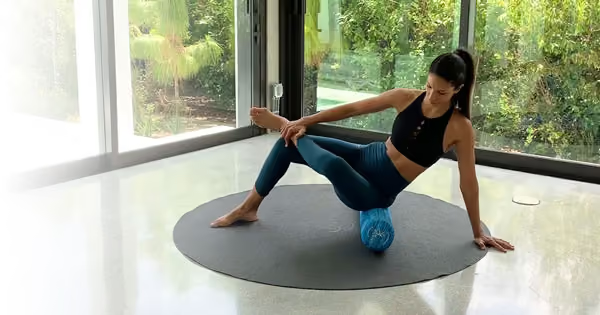
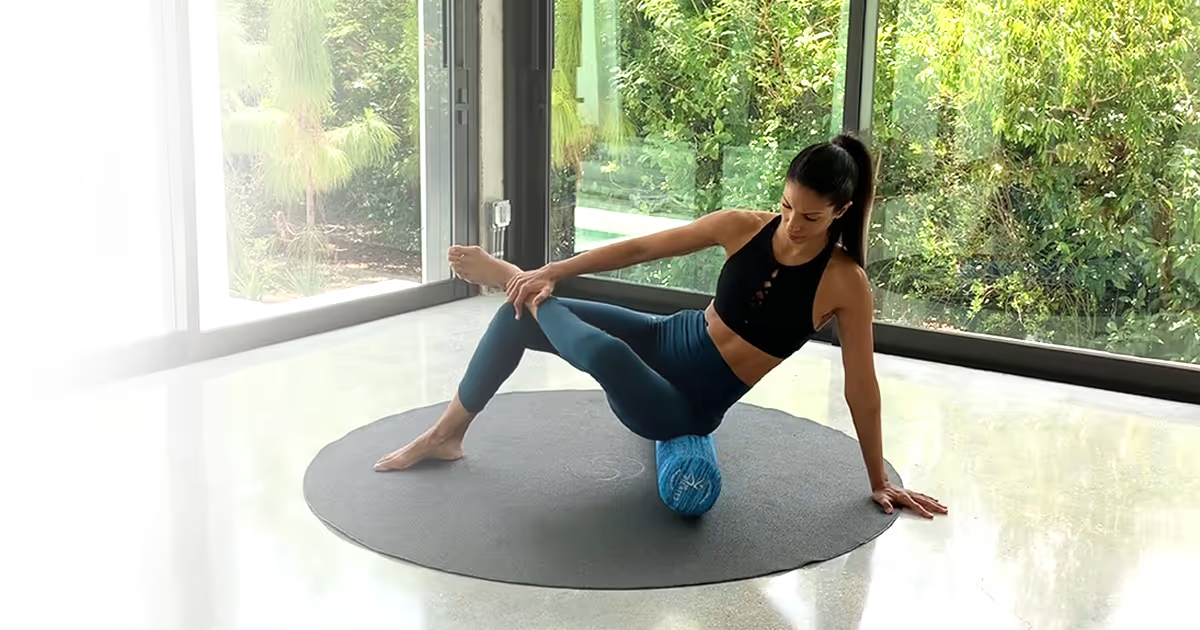
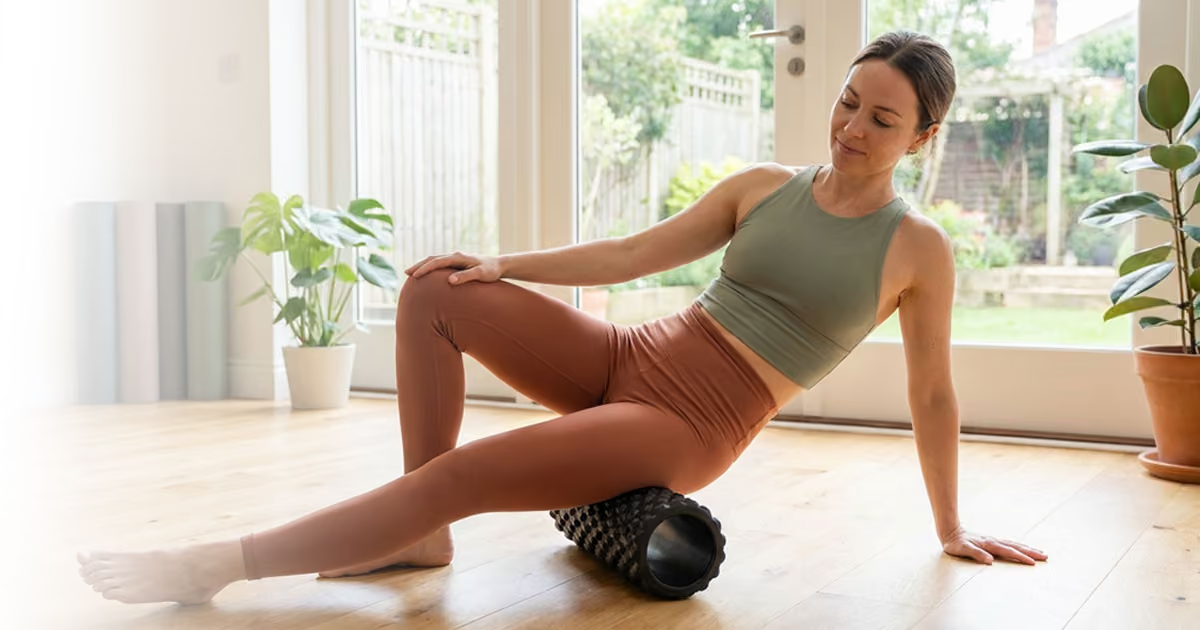
Place the area you want to work on over the roller or ball, and begin to move slowly.
As you roll, you’ll start to notice certain spots that feel more sensitive or tight.
When you find one, pause.
Give it time.
Let your body settle into the pressure rather than pushing through it.
Stay there for about 30 to 90 seconds, breathing normally, allowing the sensation to soften.
Then gently move on.
Important: Focus on muscles - avoid rolling directly on joints or bones.
Quick Example: Foam Rolling Your Quads
- Start in a forearm plank position
- Place the roller under your thighs
- Slowly roll from hips to just above the knees
- Pause on tight spots
- Slightly rotate your hips to target different angles
For deeper release: Bend your knees while rolling
Want a simple place to start?
I put together a full guide with step-by-step movements you can follow:
👉 Foam Roller Exercises for Legs
What Should It Feel Like?
This is where people get confused. It’s not always relaxing.
Sometimes it feels like a deep, satisfying release.
Other times, it can feel intense - similar to a deep tissue massage.
The goal isn’t to push into pain.
Instead, look for a level of pressure that feels effective but still allows you to breathe and relax.
Over time, your tolerance changes, and your body becomes more receptive.
Even the tool you choose can change the experience.
A softer roller feels more gentle, while a firmer one creates deeper pressure.
Start where you are.
Tools for Myofascial Release
You don’t need much:
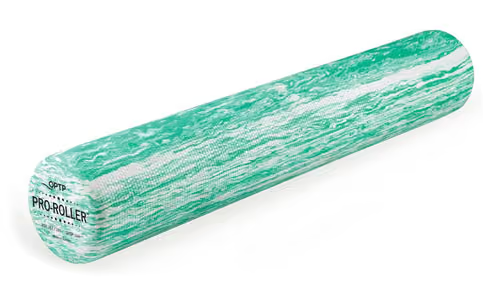
- Foam roller (most common)
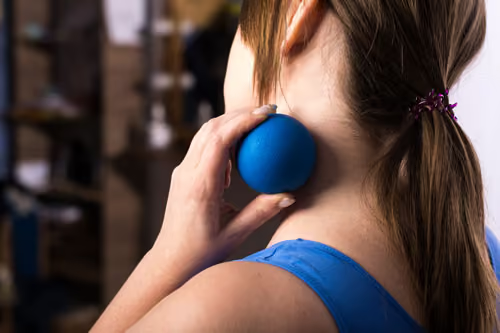
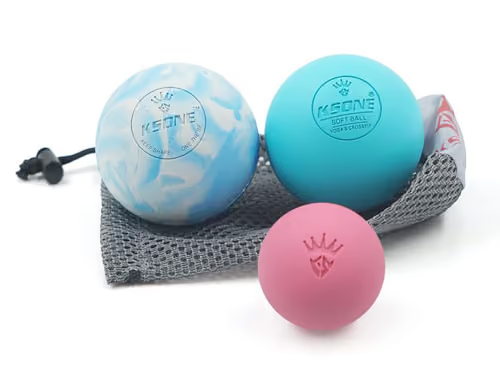
- Massage ball (great for smaller areas like shoulders or feet)
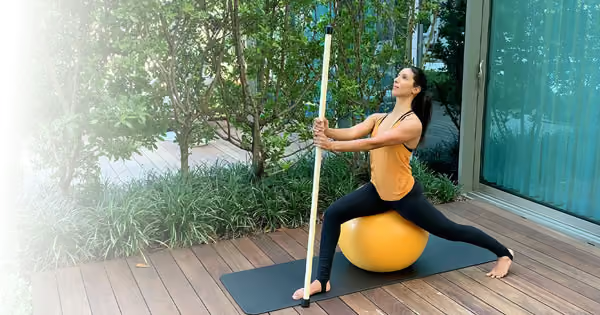
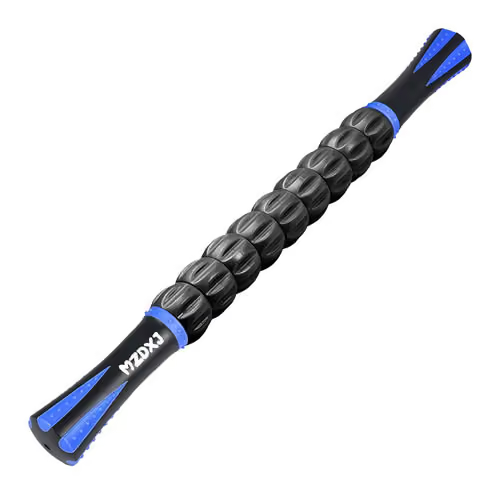
- Massage roller stick
Even a tennis ball can work perfectly.
It’s less about the tool - and more about how you use it.
When to Avoid Myofascial Release
SMR is generally safe, but there are times to be cautious.
Avoid or consult a professional if you have:
- Recent injuries
- Severe osteoporosis
- Circulatory issues
- Advanced diabetes
- Active inflammation or medical conditions
When in doubt - always check with a professional.
Final Thoughts: Small Habit, Big Impact
Myofascial release isn’t just another fitness trend.
It’s a simple tool that helps your body:
- Move better
- Recover faster
- Feel lighter and more connected
You don’t need long sessions.
Even 5–10 minutes a day can make a difference.
And once you start…
you’ll probably wonder how you ever trained without it.
And if you’re ready to take this from concept into practice,
I created a simple routine you can follow step by step:
Frequently Asked Questions About Myofascial Release
What is myofascial release in simple terms?
Myofascial release is a technique that helps reduce tension in your muscles and the connective tissue (fascia) around them. It uses gentle, sustained pressure to help your body release tight areas and move more freely.
How often should I do myofascial release?
You can do it daily, especially if you’re feeling tight or sore.Even a few minutes - before or after a workout, or at the end of the day - can make a difference.
Can myofascial release help with back pain or posture?
It can help reduce tension in areas that contribute to discomfort, like the hips, back, and shoulders.
Over time, this may support better posture and more balanced movement - especially when combined with strengthening exercises.
Can fascia really get “tight” like a muscle?
Not in the same way muscles do. Fascia doesn’t actively contract, but it can become restricted or lose its ability to glide smoothly. What we often feel as “tightness” is usually a combination of muscle tension, limited movement between tissues, and how the nervous system responds to it.
If stretching isn’t helping, could fascia be part of the reason?
Sometimes, yes. If stretching doesn’t seem to make a difference, it may be less about muscle length and more about how your body is moving overall. Things like movement patterns, strength imbalances, or tissue sensitivity can play a bigger role than we think.
When I foam roll, am I working on fascia or muscle?
It’s really both. Foam rolling affects the muscles, the fascia around them, and even how your nervous system perceives tension. While it can improve how your body feels and moves in the moment, lasting changes usually come from combining it with consistent movement and strengthening.
Can myofascial release improve flexibility on its own?
It can help, but it’s only part of the picture. Myofascial release may improve how your tissues move and feel in the moment, which can make stretching more effective. But lasting flexibility usually comes from combining release work with strength and controlled movement.
Still have questions?
If you have any questions about the workouts, guides, or anything on the site, feel free to get in touch.