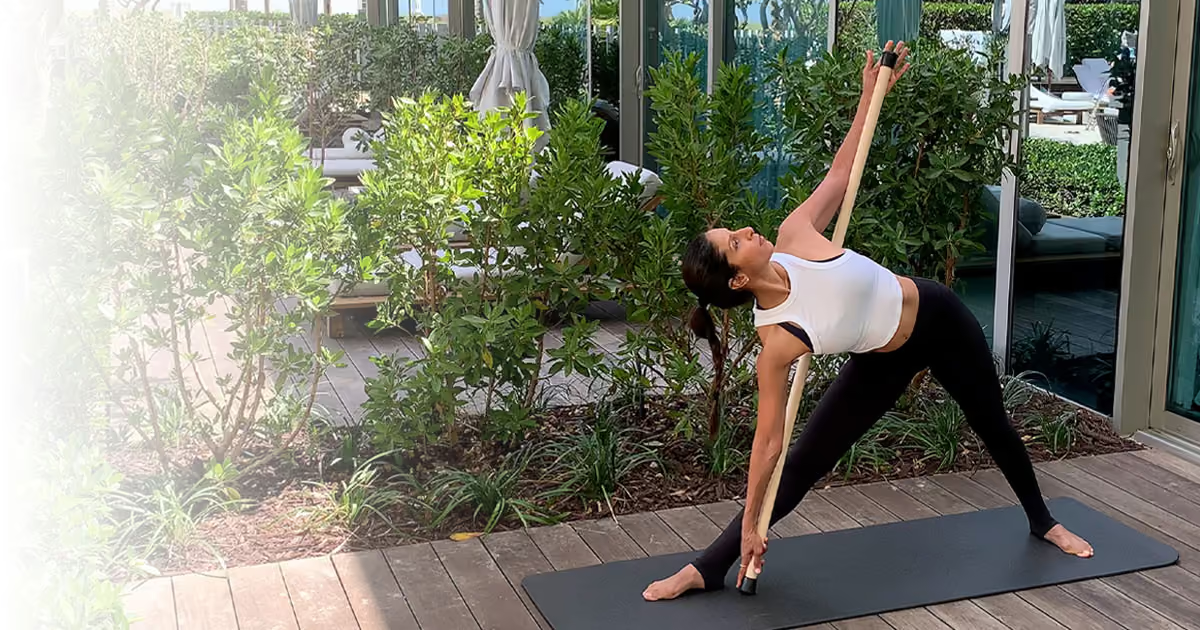
If your body feels tight, restricted, or just not moving the way it used to - this is for you.
Stick stretching exercises are a simple yet powerful way to improve flexibility, release tension, and move with more ease. By adding a stick into your stretching routine, you create support, control, and gentle leverage - helping your body go deeper without forcing it.
Rooted in traditional movement practices and now widely used in modern fitness, this method blends mobility, stability, and awareness in a really accessible way.
And the best part?
You only need one thing: a stick - to completely transform how your body feels.
Mobility Stick
Lightweight bamboo mobility stick with non-slip ends, perfect for stick stretching exercises, posture work, and full-body flexibility training. Easy to use at home or in the gym.
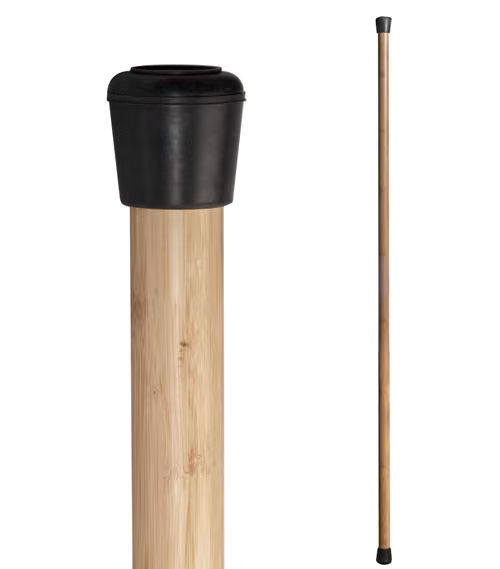 Shop this Mobility Stick
Why Try Stick Stretching Exercises?
Stick stretching isn’t just about going “deeper” into a stretch - it’s about moving smarter, with more control and awareness.
Here’s what makes it so effective:
Improve Flexibility & Range of Motion
The stick extends your reach, allowing you to gradually increase your range without strain, especially in the shoulders, hips, and hamstrings.
Release Muscle Tension
Using the stick as leverage helps you ease into tight areas, encouraging muscles to relax instead of resist.
Add Stability & Support
If balance feels challenging, the stick becomes your anchor - helping you stay steady and confident throughout each movement.
Improve Posture & Alignment
The stick gives you instant feedback on your positioning, helping you maintain a long spine and better body awareness.
Full-Body Versatility
From shoulders to hips to calves - stick stretching exercises can target your entire body, making them perfect for a quick, effective routine.
7 Stick Stretching Exercises to Improve Flexibility
These stick stretching exercises are designed to open up your body from head to toe - improving mobility, posture, and control.
Each movement includes options to progress at your own pace, so listen to your body and move with intention.
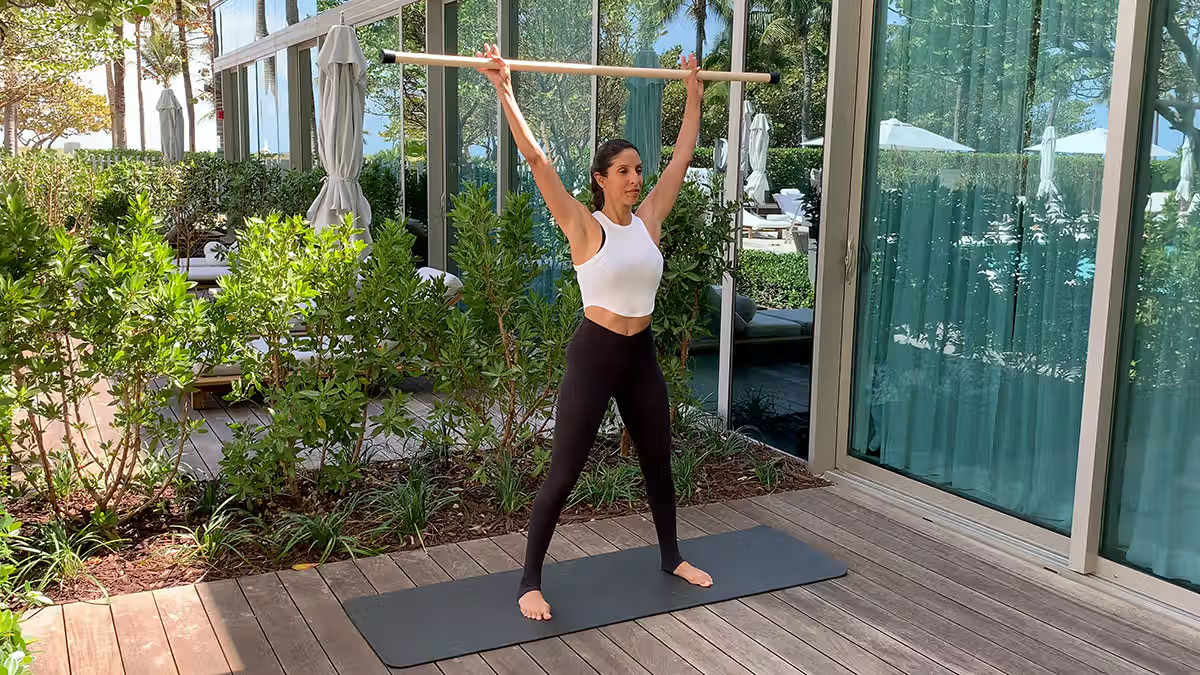
Exercise #1: Chest Opener
Why?
Opens the chest and shoulders while improving shoulder mobility.
Starting Position:
Stand with your feet wide. Hold the stick in front of your body with a comfortable grip.
Movement:
Inhale as you lift the stick overhead and gently guide it back.
Exhale as you return to the front.
Over time, work toward moving the stick further behind you.
Mor’s Tip:
Take a wider grip to make the movement more accessible. Keep your spine neutral — avoid arching through your lower back.
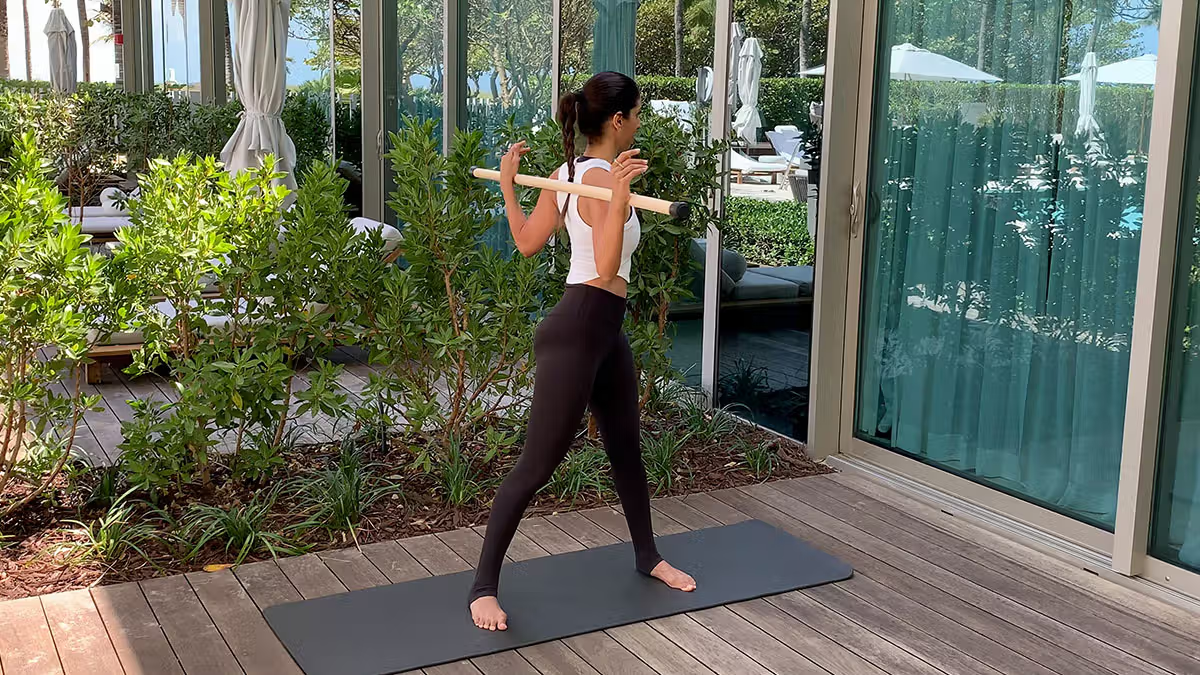
Exercise #2: Torso Twist
Why?
Improves spinal rotation, core engagement, and overall mobility.
Starting Position:
Stand wide, placing the stick across your upper back.
Movement:
Rotate side to side, keeping your hips stable.
Progress by allowing your back heel to lift as you rotate deeper.
Mor’s Tip:
Exhale into the twist - your breath helps unlock more range.
Exercise #3: Hip Hinge
Why?
Mobilizes the hips and stretches the hamstrings.
Starting Position:
Stand comfortably, holding the stick along your back.
Movement:
Hinge forward from the hips, keeping your spine long.
Return to standing with control.
Mor’s Tip:
Slightly bend your knees if your hamstrings feel tight - this helps maintain a neutral spine.
Variation:
Keep the stick in contact with your head, upper back, and sacrum to guide alignment.
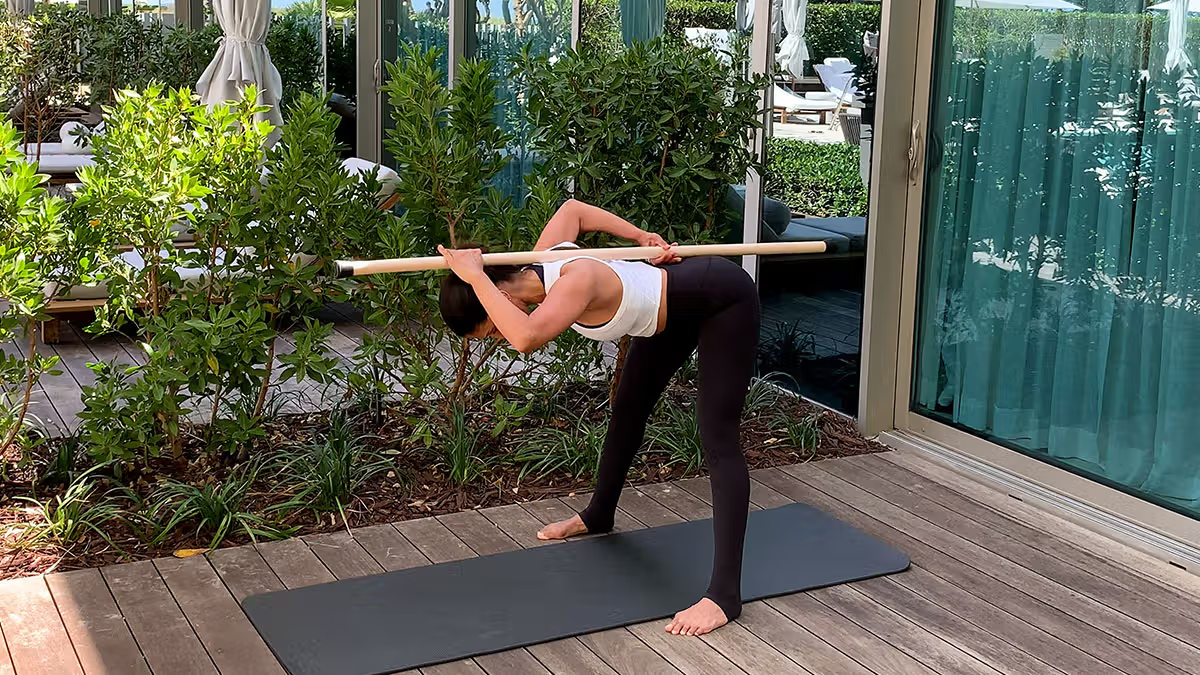
Exercise #4: Standing Cat-Cow
Why?
Mobilizes the spine while opening the shoulders.
Starting Position:
Place the stick vertically in front of you. Hinge forward with arms extended.
Movement:
Inhale to arch your back and lift your hips.
Exhale to round into a soft C-shape.
Variation:
“Climb” your hands up the stick after each repetition to deepen the stretch.
Mor’s Tip:
Let your chest soften between your arms - don’t hold tension.
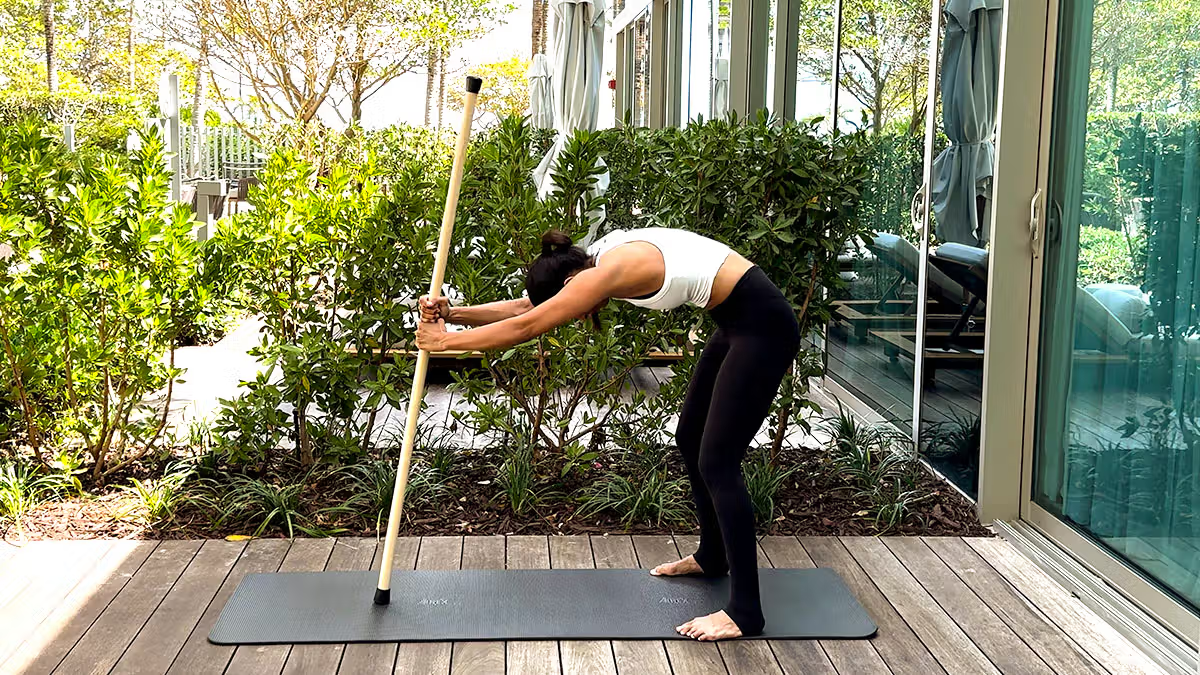
Exercise #5: Side to Side
Why?
Opens the hips and releases tension in the lower back.
Starting Position:
Stand wide in a turned-out position. Hold the stick vertically for support.
Movement:
Shift your weight side to side, bending one knee at a time.
Add upper body movement and circles with the stick for flow.
Mor’s Tip:
Let your hips drop low and move smoothly - think fluid, not forced.
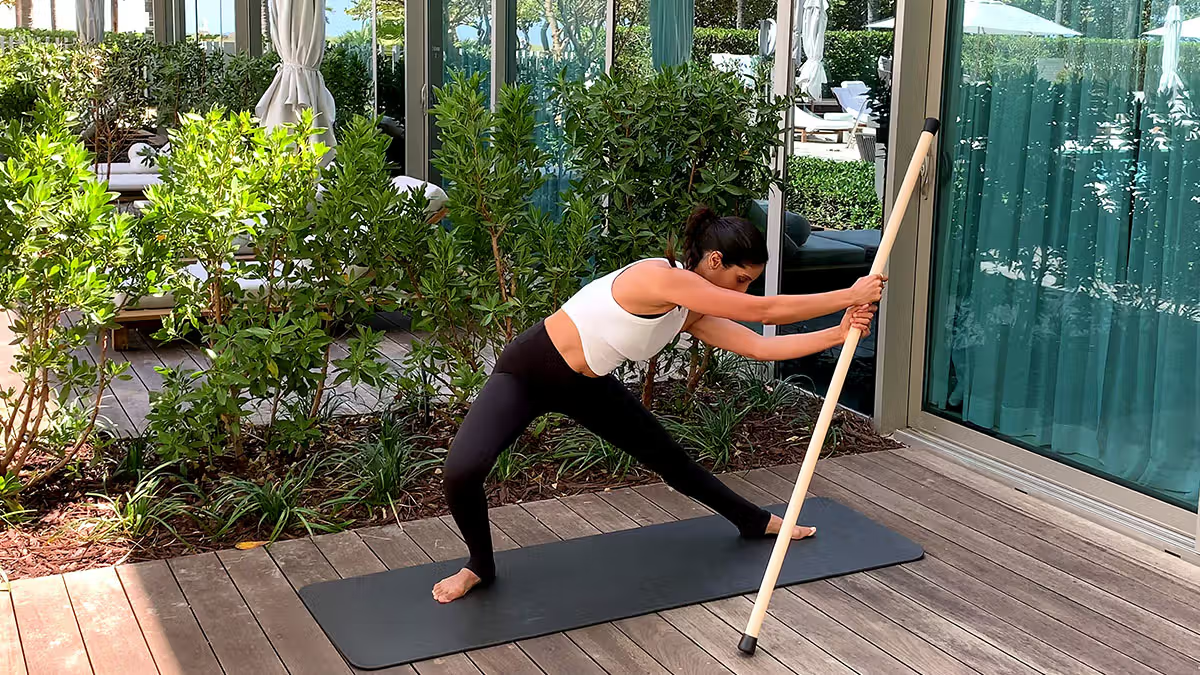
Exercise #6: Warrior Flow
Why?
Improves hip mobility, strength, and balance.
Starting Position:
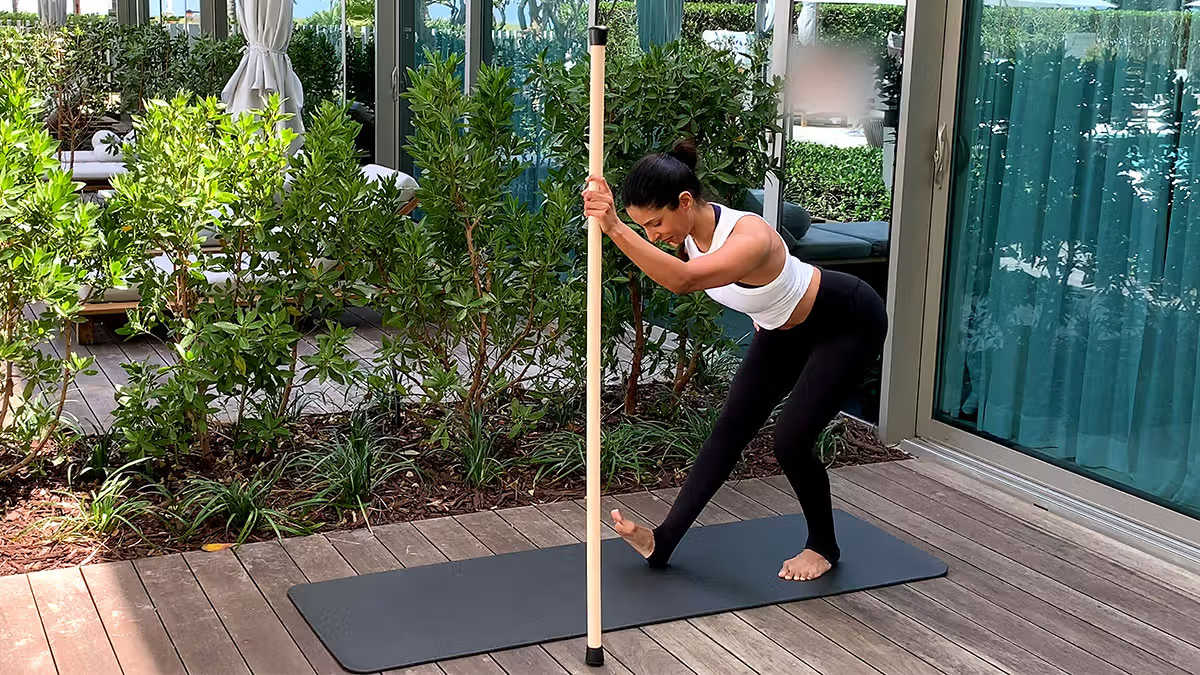
Stand wide, one foot forward, one turned out. Hold the stick behind your back.
Movement:
Lower into a lunge, then rise.
Add a side bend toward the bent knee, placing the stick for support.
Mor’s Tip:
Move slowly here — control matters more than depth.
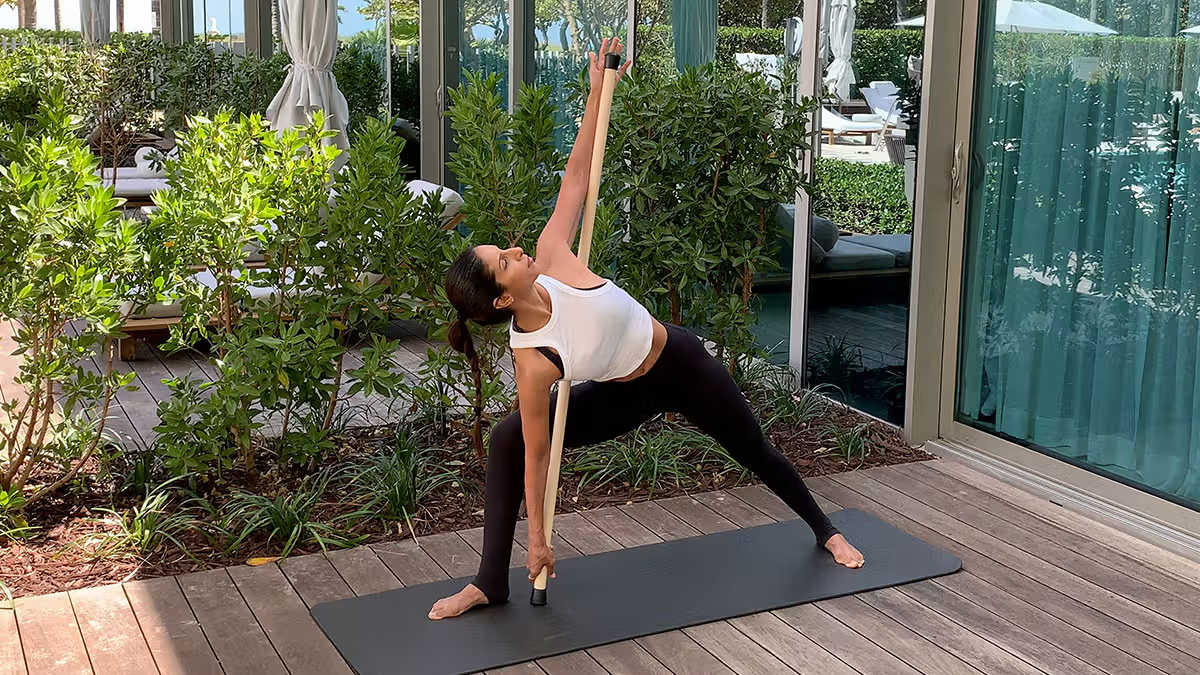
Exercise #7: Hamstring Stretch
Why?
Releases tension in the hamstrings, calves, and ankles.
Starting Position:
Stand staggered, holding the stick in front for support.
Movement:
Gently roll through your feet.
Then hinge forward over your front leg, keeping it straight and flexed.
Mor’s Tip:
Think length, not force - ease into the stretch.
Final Thoughts: Keep It Simple and Consistent
Stick stretching exercises don’t need to be complicated to be effective.
With just a stick and a few mindful movements, you can improve flexibility, release tension, and feel more connected in your body.
The key is consistency - even a few minutes can make a noticeable difference over time.
Move slowly. Breathe deeply. Let your body open gradually.
And if something doesn’t feel right, always adjust - or check in with a professional if needed.
FAQ – Stick Stretching Exercises
Do I need a special stick for stick stretching exercises?
Not necessarily. You can use a broomstick, PVC pipe, or a dedicated mobility stick. Just make sure it’s sturdy, lightweight, and comfortable to hold so you can move with ease and control.
Can stick stretching exercises help with posture?
Absolutely. Many stick stretching exercises encourage proper alignment and spinal awareness, which can help improve posture over time, especially if you spend long hours sitting.
When is the best time to do stick stretching exercises?
You can do them before a workout as a mobility warm-up, after exercise to release tension, or as a standalone routine anytime during the day when your body feels stiff.
How often should I do stick stretching exercises?
You can practice stick stretching exercises 3–5 times per week, or even daily if you keep the intensity gentle. Consistency is key! Even a few minutes can make a noticeable difference in how your body feels.
Still have questions?
If you have any questions about the workouts, guides, or anything on the site, feel free to get in touch.